To share your thoughts, please go to the individual blog post you wish to comment on (by clicking on the post title). You will then find a comments form at the bottom of the post.
Please note, to prevent the blog becoming a spam magnet, all comments are moderated (so it may take a little time for your comment to appear) and comments are automatically closed once the post is no longer reasonably new.
Gritstone News: Yorkshire author publishes first complete guide to the King Charles III England Coast Path
Gritstone Member Christopher Goddard, a Yorkshire guidebook author and cartographer, has become the first to publish a complete guide to the newly opened King Charles III England Coast Path – the world’s longest managed coastal walking route.
Published by Gritstone Publishing as a four-volume series, the England Coast Path guides have been written and illustrated by established walking author Christopher Goddard following his own 2,700-mile journey around England’s coastline.
Each volume covers a different section of the route. Book 1: The South Coast follows the path from the River Thames to the Exe. Book 2: The South West covers the Exe to the Severn. Book 3: The North Coasts takes in the north-west and north-east coasts through Merseyside, Lancashire, Cumbria, Northumberland, County Durham and Yorkshire. Book 4: The East Coast covers the Lincolnshire, Norfolk, Suffolk and Essex coastline from the Humber to the Thames.
The books are designed both for walkers tackling the entire England Coast Path and for those looking to explore individual sections as day walks or shorter trips.
Each guide includes detailed route descriptions and maps, along with practical information on transport, parking, accommodation, camping and refreshments, together with features on local history, wildlife, geology and places of interest. They also include alternative routes where sections of the official path have yet to be established.
One distinctive feature is a specially curated soundtrack. Each day’s walk is paired with a song inspired by that stretch of coastline, encouraging walkers to experience the route with a musical accompaniment. Selections include Dire Straits’ Tunnel of Love, celebrating the Spanish City in Whitley Bay; Billy Bragg’s A13 (Trunk Road to the Sea), inspired by the road to the Essex coast; and George Formby’s classic With My Little Stick of Blackpool Rock.
Chris began walking the entire coastline in 2013, documenting every stage to create what has become the first complete guide to the route.
“The English coast offers an extraordinary variety of landscapes,” he says. “There are dramatic cliffs, wooded estuaries, wildlife-rich marshes, sweeping beaches and dunes, as well as historic ports and seaside towns.”
“Because of how the route has opened in piecemeal sections over the past decade, I don’t think people quite realise yet what a big thing the England Coast Path. I think it’s going to grow in profile and popularity over the coming years. We’ve got something pretty special here!”
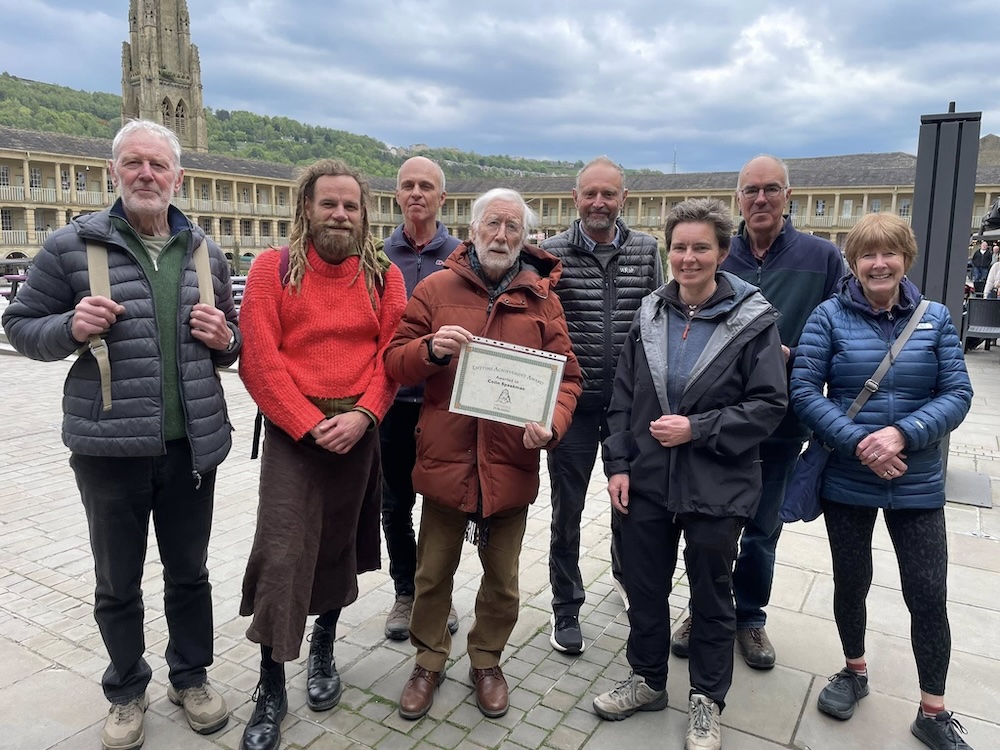
A lifetime achievement award was made to our veteran writer Colin Speakman. He is a founder member of Gritstone Publishing Co-op, a keen walker and environmental campaigner, and the author or co-author of more than 50 outdoor books. Colin and his work are known and loved throughout Yorkshire and beyond. He is the mastermind behind the 80-mile Dales Way path, linking Ilkley with Bowness in the Lake District, for which his guidebook is now in its 11th edition.
Colin has also written walking guides to areas both in the UK and in mainland Europe, as well as poetry, topography, biography, transport history, and two literary anthologies. Recent publications include Yorkshire: Ancient Nation, Future Province and The Nut Brown Maid and Other Stories from the Yorkshire Dales.
The award was made during our 10th birthday celebrations atthe Piece Hall in Halifax. Colin gave a talk about his books, and there was a mapping workshop led by Christopher Goddard, and an urban nature ramble led by writer and conservationist Laurence Rose.
Andrew Bibby and Andrew McCloy took visitors on a literary memory lane along the Pennine Way, and novelist Mike Padgett spoke about his Australian adventures. The event was organised with The Book Corner bookshop and Calderdale Libraries.
Presenting the award, Andrew Bibby said: “Colin is one of our founder members, and we are so proud to include such an eminent and prolific author on our list. He is an inspiration to us all.”
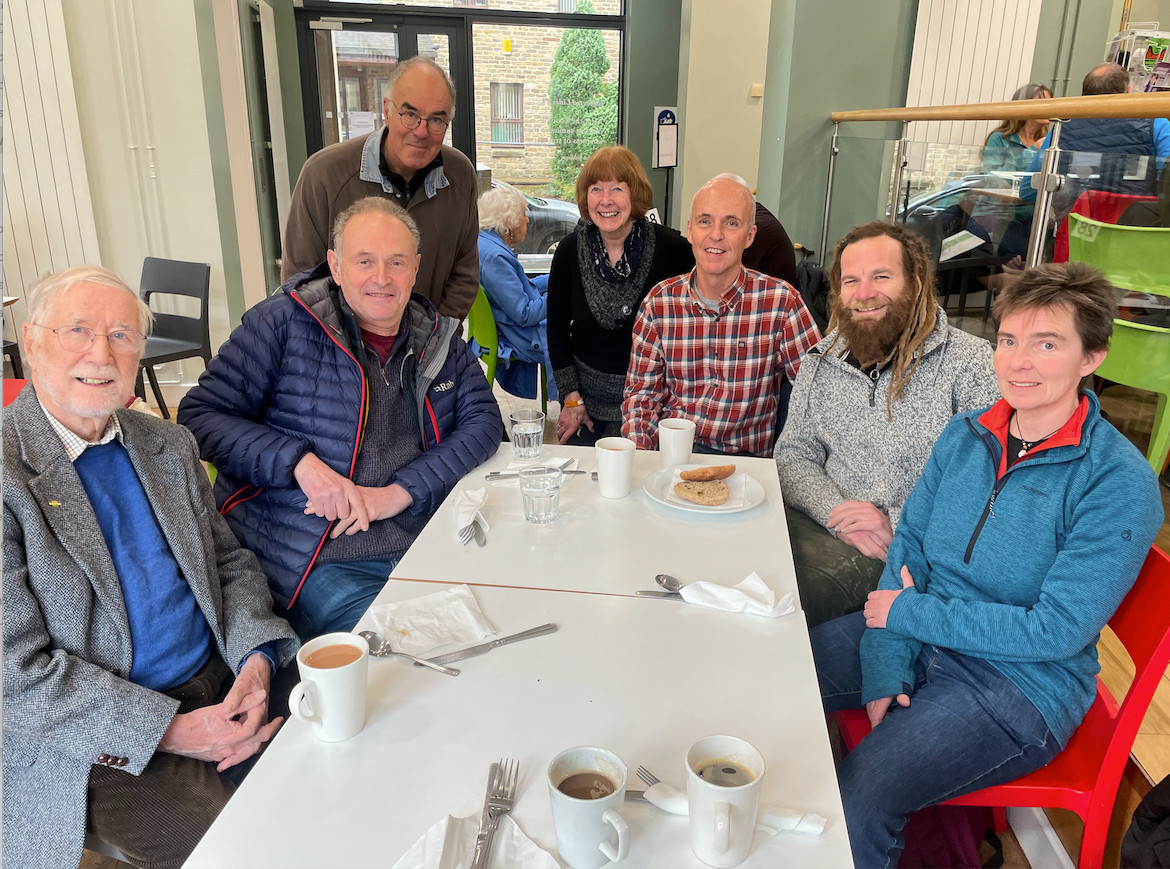
Image of Colin Speakman and Gritstone colleagues at the Piece Hall
Gritstone author Mike Padgett walks into the Yorkshire Wolds only to be confronted with gunfire.
‘The sound of gunfire usually stops when the hidden lookouts in their green and brown attire spot a walker on the footpath… Not this time. The gunshot continues, and the sound cracks across the valley and over the path like invisible lightning.
MIKE PADGETT, GRITSTONE AUTHOR
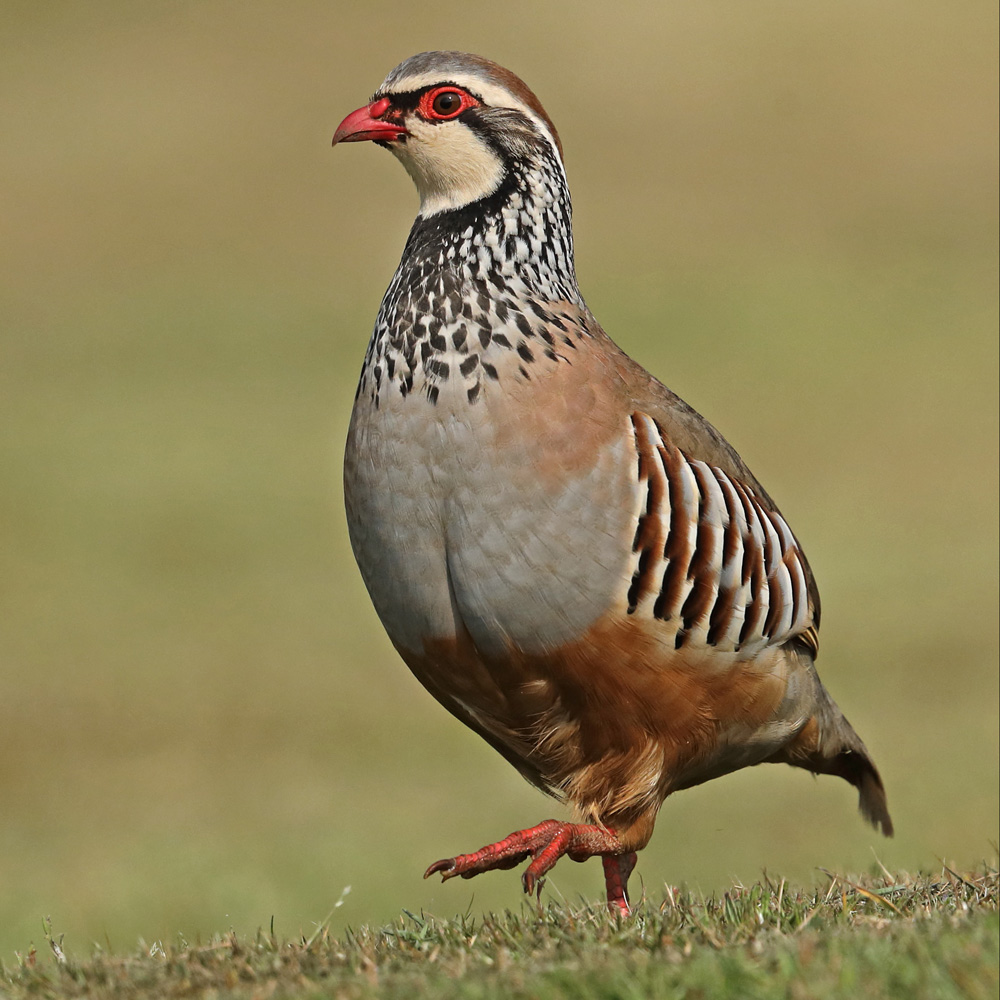
French Partridge
They are killing birds again this morning as I enter the Yorkshire Wolds valley leading to Arras. The sound of gunfire usually stops when the hidden lookouts in their green and brown attire spot a walker on the footpath. They break cover, drop their white flags, raise their red flags, and the valley goes quiet. Not this time. The gunshot continues, and the sound cracks across the valley and over the path like invisible lightning. The guns are to my left. I can’t see the pegs through the thick hedge but they must be very close.
I turn my head away, and half-shut my eyes, expecting pellets to come rattling down on me through the overhanging hedges. But instead of pellets a bird falls untidily out of the sky and hits the ground with a muffled thud ten yards in front of me. I expect to find a scene of blood and twisted wings but the bird has landed on its belly, head to one side, motionless, not a feather out of place. Its red legs, red bill and red eye ring look untouched and bright on the chalk path. I slow down but don’t stop. The French partridge is already dead.
There are pickup trucks and land rovers parked in a line in a clearing in the hedge a few yards farther up on the left. Some of the vehicles’ boots are open and dogs behind grills look at me with no interest. A trailer is attached to the pickup nearest the path and on display is the morning’s tally. At least a hundred French partridges, laid out side by side in rows, face down, all pointing the same way, perhaps four deep.
A French Connection
The French partridge, introduced from continental Europe in the seventeenth century, is providing good game for the guns this morning. And the colourful little bird is not the only life form from France to have died violently in this location.Many centuries before the ancestors of this morning’s kill arrived in the UK, an Iron Age people from the Champagne area of France, known as the Parisi, fought with rival tribes in this valley. Parisi square barrow cemeteries containing speared bodies and chariot burials have been found less than a mile from the morning’s bag of lifeless partridges in front of me.
Now a man is standing at the side of the loaded trailer, dressed like the lookouts but without a gun or a flag in his hand. He is the gamekeeper. I’ve seen him driving his quad bike through the village and up onto the hills to replenish the feeding hoppers tucked away in the hedges. I avert my eyes, determined not to engage with the gamekeeper, to show no sign of approval of what he’s doing, or say something that I might regret. But he says good morning and I can’t help saying good morning back. All three players in this conflict, any conflict, are there in that little scene: the hunter, the hunted and those who turn their backs and walk away without comment.
The shooting has stopped. The lookouts have raised their red flags and the only sound is the whoosh of wind turbines on the valley top. I continue along the path towards Arras and argue with myself. This is what I should have said. Look Mr Gamekeeper. I respect, even admire your gun skills, your bird-rearing skills, your sense of purpose, your teamwork. But I hate to see you killing those birds. You’ve looked after them all year in all weathers and then you organise their slaughter. Why? To give the lord of the manor the pleasure of showing off his estate to his shooting guests? Showing off how well he has trained you and your beaters. In my inner argument the gamekeeper doesn’t reply and I feel better.
When I’m a quarter of a mile farther up the path the shooting resumes, killing off any chance of birdsong returning to the valley this morning. Or any hope of a sighting of the local peregrine falcon locked onto its prey. I leave the valley where it meets the Wolds Way, the sign post pointing south east to Hessle, north east to Filey, and look back to where the killing is taking place. How many more game birds will fall heavily out of the sky onto the floor of this ancient trail today? There will be no dignified ending for my dead partridge, killed for sport, waiting to be picked up and stacked on top of its dead family before being put on display, plucked and eaten. No Billy Casper’s Kes. No Helen Macdonald’s Mabel. No little graves dug alongside the iron-age burial sites on this very same path up the valley to Arras.
The views expressed in this post are those of the contributor and do not necessarily represent the views of all members of the Gritstone co-operative.
Gritstone author Mike Raine takes a look at the thorny subject of AI and writing
‘It isn’t difficult to check facts these days, but this raises another question: how do we fact-check the fact checks?’
MIKE RAINE, GRITSTONE AUTHOR
AI, Archives, and the Fragile Future of Original Writing
I often advise people using AI to identify plants and other flora to double-check with a book, and I still think that’s sound advice. I’d be lying if I said I trawled through every book on my shelves each time I need an answer, but having read them, having that background knowledge, undoubtedly informs what I write. It gives me a critical awareness, a sense for when something really does need further checking.
AI-Generated image – “Evil AI”
Books are tremendously important sources of information. There are, of course, superbly factual specialist websites out there, but they need seeking out. A quick search won’t necessarily lead you to the depths of the British Bryological Society’s website, for example – though perhaps AI might.
Recently, in a conversation with Dave Monteith of the BMC’s Mountain Heritage Trust, I was reminded of the value of the written record and physical artefacts when researching. Handwritten notes in the margins of meeting minutes, scribbles on photographs, personal diaries — these things simply aren’t to be found online. They hold context, intent, and nuance that rarely survive digitisation.
This became particularly apparent while reading The Pennine Way – The Path, the People, the Journey by Andrew McCloy. Andrew draws on notes from meetings held decades ago, searches the corners of his memory for half-forgotten references, and creates primary information through interviews and conversations. That depth cannot be replicated by a quick online search.
The job of the author has changed. Information is now easy to obtain, but it comes with important caveats. Not everything AI produces is correct. It can misalign facts, mix up references, and pull in unrelated information simply because the words look similar.
Artificial intelligence does, however, excel at speedy searching and pulling information together. It helps with spelling and grammar too. Despite the shelves of reference books in my study, I still turn to the internet far too readily to check what I want to know.
The unsettling part is how quickly AI is improving. As this blog goes online, it becomes fodder for AI bots, to be hoovered up, distilled, and fed into someone else’s search or AI-generated document. Every time we digitise archived research or translate handwritten notes into online content, those once-rare sources become available for mining.
AI-Generated Image of a “Smiling Assassin” robot. Is its assistance a curse in disguise?
I once wrote a blog about Quality Mountain Days in relation to the Mountain Leader qualification. Following some syllabus changes in wording by Mountain Training, confusion arose and misinformation began to spread. Several days later, another blog appeared with uncanny similarities to mine. A regular reader noticed that entire sentences had been lifted directly from my work. We suspected AI had been used, and because there was little information online at the time, it had simply regurgitated my content. It was a wake-up call.
Right now, AI is a powerful tool for searching, sense-checking, and proofreading. But some people are asking it to do the thinking for them: “write me a blog”, “create a social media post”. These pieces are often recognisable to the well-read. AI can already produce books — though so far, not very good ones. See https://www.bbc.co.uk/news/articles/cp8k5gezykyo
AI is learning fast, and as we provide more raw material, it can only improve.
It’s hard to imagine AI ever creating something as personal and well researched as Andrew McCloy’s account of the Pennine Way. Yet history shows us that many once-unimaginable changes slip quietly into everyday life. For now, original thought, primary research, and engagement with books and archives remain priceless. The physical act of reading is mindful, immersive, and rewarding, but as time marches on, finding our own literary gold may become an ever more challenging task.
Mike Raine is the author of ‘The Mountain Leader’ and ‘Nature of Snowdonia’. Both are available from our shop.
The views expressed in this post are those of the contributor and do not necessarily represent the views of all members of the Gritstone co-operative.
A group of authors from the UK’s first publishing co-operative will be celebrating their 10th anniversary next month at the Halifax Piece Hall.
Writers from the Hebden Bridge-based Gritstone Publishing will be reading from their work, running workshops, chatting to prospective new writers, and handing out birthday cake in a corner of the historic architectural and cultural gem.
The event, on Thursday May 7, is being organised in association with the independent bookshop The Book Corner which is based at the Piece Hall and where the books written by members of the group will be on sale.
Established by four member-authors looking to assert more control over how their books were brought to market, the co-operative has grown and is now nine-strong. The most recent author to join is Mike Raine, a mountaineering instructor and author of the leading handbook on mountain craft. Gritstone titles are strongly rooted in a sense of place, with a particular focus on the north of England.
The group will be marking their tenth birthday by bringing out this summer the final two volumes to complete a comprehensive set of guidebooks to the England Coast Path, the longest and most ambitious of the country’s long-distance national trails. These are compact but lavishly illustrated books from cartographer Christopher Goddard and the 2026 titles, on the Northern and Eastern sections of the path, will join the South and South-West volumes already published. Christopher will be running a short mapping workshop at the Piece Hall event.
Also scheduled for publication in 2026 is fellow Gritstone member Eileen Jones’s tribute to William Wordsworth’s home at Rydal Mount in the Lake District where the poet lived for most of his life. The book has received support and co-operation from current members of the Wordsworth family who owned the house for nearly 60 years until its recent sale to the Wordsworth Trust.
Another among the list of Gritstone titles in the coming year will be Mike Raine’s new book Just One More Hill on the growing popularity of ‘bikepacking’ (off-road cycletouring), and a newly revised edition of The Long Spring by conservationist and former RSPB Director for Northern England, Laurence Rose. At the Piece Hall event Laurence will be leading a short nature ramble around the site.
Also choosing to work through Gritstone as members of the co-op are the veteran countryside writer and campaigner Colin Speakman, national parks author and activist Andrew McCloy, Yorkshire novelist Mike Padgett, and author of walkers’ and cyclists’ guides Chiz Dakin.
The Piece Hall party will feature short readings by individual authors and you can read more about each one of them on the Gritstone website here https://gritstonecoop.co.uk/authors/ The event will start at 11am and everyone is welcome to come along and chat, browse, and eat birthday cake. Andrew Bibby said: “We will be very happy to talk to writers who might want to consider joining our group, or just anyone who loves books and writing.”
Gritstone, as a fully mutual co-operative, is controlled collectively by its member-authors who discuss and agree proposed new titles for the imprint. Book distribution to the book trade, including bookshops and online retailers, is handled by a mainstream trade distributor, but Gritstone titles are also sold directly from its own website. Gritstone has recently been accepted as a member of the Independent Publishers Guild.
Andrew Bibby, one of Gritstone’s founder members, explained: “After ten successful years of trading and growth, we can definitely say that our publishing model works. The publishing industry has changed enormously in recent years to become much more marketing-led, and authors are increasingly missing out on a fair share of the rewards for their work. We enable our authors to have more control over the publishing process. Gritstone offers a third way between conventional publishing and author self-publishing.”
Gritstone author Mike Raine takes a look at the thorny subject of AI and writing
‘Books remain essential not just as sources of information, but as training grounds for judgement. Reading builds a quiet internal compass, an understanding of context, plausibility, and truth that no search engine can replicate. While the tools we use may change, the foundations of good writing remain the same: curiosity, care, and a lifelong habit of reading.’
MIKE RAINE, GRITSTONE AUTHOR
There’s no way, currently, that AI can write with feeling, personal experience, or genuine empathy. So why take any notice of it? It can’t do what we can do – yet.
Surrounded by books, I sit and I write. I’m not the only one with a large personal reference library – you only have to experience a Gritstone team online meeting to see that. But to what degree do writers really refer to these shelves of ageing books, when surely everything is online today?
I believe that to be a good writer, you need to be a reader. Reading brings context, depth, and understanding. It reminds us that we don’t always get things right and that accuracy matters. We tend to take for granted that the printed word is factual, that the author has done their research thoroughly. We don’t expect to be misled in works of non-fiction – as the recent Salt Path controversy demonstrated. While some books are opinion-led, they are usually grounded in facts, wider reading, deep conversations, and personal observation. Others may be skewed by vested interests, but these rarely stand up to scrutiny. Fundamentally, we expect a book to be correct.
Gritstone author Mike Padgett looks back at the bit part he played in Kes and the big part the film played in his life
‘Ken Loach and Tony Garnett offered Barry Hines an opportunity to write a script for The Wednesday Play but he turned it down. He was busy working on a new novel about a boy and a kestrel. They were intrigued and asked if they could be the first to see the finished manuscript. It was called ‘A Kestrel for a Knave.’
MIKE PADGETT, GRITSTONE AUTHOR
When Play for Today returned to TV in November last year I thought about all those classic social realist dramas in the original BBC 1 Play for Today series and its precursor, The Wednesday Play. Those ‘kitchen sink’ dramas, broadcast in the sixties, seventies and early eighties, sought to depict the everyday lives and struggles of working class individuals. Among them were hard-hitting dramas such as Cathy Come Home and Up the Junction, both directed by Ken Loach and produced by Tony Garnett.
In their search for social realist writers, Ken Loach and Tony Garnett approached Barry Hines, a teacher and emerging talented writer of working class life. Barry had written a novel, The Blinder about a brilliant footballer with a chip on his shoulder. Ken and Tony offered Barry an opportunity to write a script for The Wednesday Play but he turned it down. He was busy working on a new novel about a boy and a kestrel. They were intrigued and asked if they could be the first to see the finished manuscript. It was called ‘A Kestrel for a Knave’.
Gritstone Publishing, still the only author-run co-operative publisher in Britain, is turning ten years old in 2026.
Established by four member-authors looking to assert more control over how their books were brought to market, the co-operative has grown and is now nine-strong. The most recent author to join is Mike Raine, a mountaineering instructor and author of the leading handbook on mountain craft. Gritstone titles are strongly rooted in a sense of place, with a particular focus on the north of England.
Gritstone will be marking its tenth birthday by bringing out this summer the final two volumes to complete a comprehensive set of guidebooks to the English Coastal Path, the longest and most ambitious of the country’s long-distance national trails. These compact but lavishly illustrated books, from cartographer Chris Goddard, are currently the only published guides for walkers. The 2026 titles, on the Northern and Eastern sections of the path, will join the South and South-West volumes already published.
Also scheduled for publication in 2026 is fellow Gritstone member Eileen Jones’s tribute to William Wordsworth’s home Rydal Mount in the Lake District, where the poet lived for most of his life. The book has received support and co-operation from current members of the Wordsworth family who have owned the house for nearly 60 years.
Also among the list of Gritstone titles in the coming year will be Mike Raine’s new book Just One More Hill on the growing popularity of ‘bikepacking’ (cycle touring), and a newly revised edition of The Long Spring by conservationist and former RSPB Director for Northern England Laurence Rose. The Long Spring was described by The Spectator when it was first published in 2018 as an “inspiring, eye-opening read”.
Founder members at the inaugural meeting 14 October 2016
Gritstone, as a fully mutual co-operative, is controlled collectively by its nine member-authors who discuss and agree proposed new titles for the imprint. Book distribution to the book trade, including bookshops and online retailers, is handled by a mainstream trade distributor, but Gritstone titles are also sold directly from its own website. Gritstone has recently been accepted as a member of the Independent Publishers Guild.
Andrew Bibby, one of Gritstone’s founder members, explained: “After ten successful years of trading and growth, we can definitely say that our publishing model works. The publishing industry has changed enormously in recent years to become much more marketing-led, and authors are increasingly missing out on a fair share of the rewards for their work. We enable our authors to have more control over the publishing process. Gritstone offers a third way between conventional publishing and author self-publishing.”
Also choosing to work through Gritstone as members of the co-op are the veteran countryside writer and campaigner Colin Speakman, national parks author and activist Andrew McCloy, Yorkshire novelist Mike Padgett, and author of walkers’ and cyclists’ guides Chiz Dakin.
Gritstone takes as its model the long-established concept of marketing co-operatives used for example by farmers and wine producers in many countries to collectively sell their produce. The idea has proved very adaptable for the publishing sector. Gritstone believes there is considerable scope for its model to be adopted by other professional writers and has announced that it will be happy to work with other authors considering their own co-operatives.
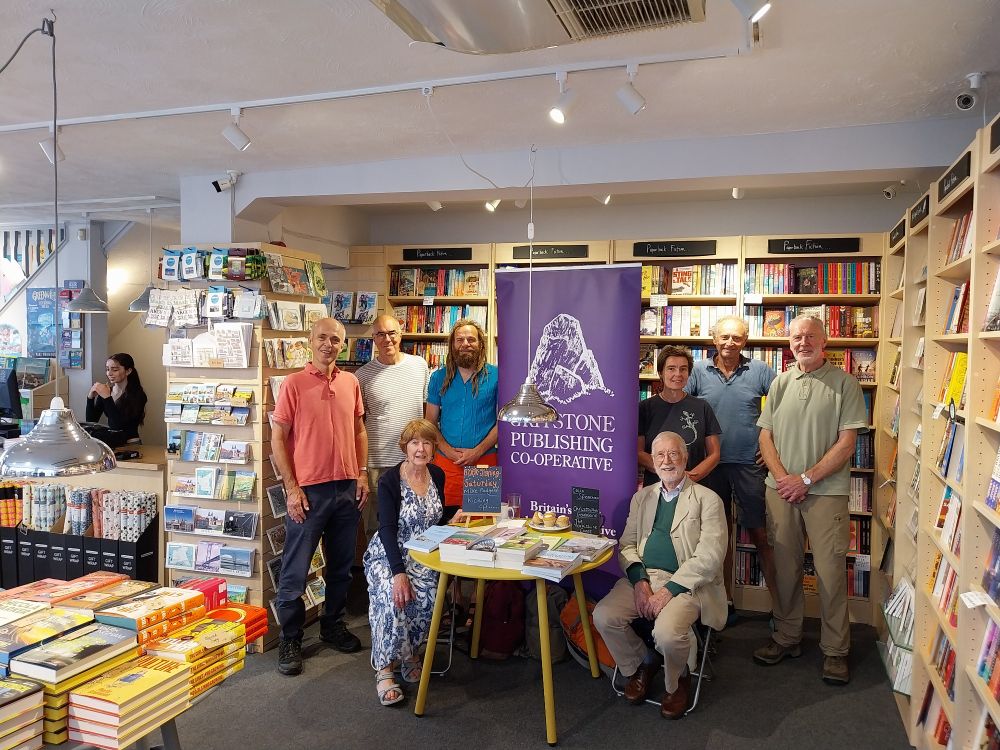
The Gritstone team of eight (as it was then, although we’re now 9!) at a recent book launch in Beverley
Gritstone itself is currently welcoming approaches from potential new members writing in its fields of interest (broadly conservation, landscape and the outdoors, but also including fiction rooted in northern settings), with a view to potentially expanding to twelve members.
Gritstone author Eileen Jones on what it really means to be a writer
“It was a throwaway comment by Booker Prize winner David Szalay that led me to muse on the writing process. The author of Flesh said something along the lines of, all you have to do is lock a writer in a room for 18 months with a lot of coffee and you’ve got a book.”
Eileen Jones, Gritstone Author
It was a throwaway comment by Booker Prize winner David Szalay that led me to muse on the writing process. The author of Flesh said something along the lines of, all you have to do is lock a writer in a room for 18 months with a lot of coffee and you’ve got a book. Poor joke, irony or whatever, many writers must have reflected on that.
As I did, collapsed in a chair after a long day with my two-year-old grandson, head full of ideas and body empty of any energy to even lift the lid of the laptop. Putting one word in front of another, that’s the easy bit. Why I even contemplated another book this year, with a very poorly daughter in law which has meant endless extra hours of childcare, is hardly common sense.
But I have form. More than 30 years ago, with a three month old baby and a two year old toddler I decided I must write a book about Neil Kinnock. I was a jobbing journalist, a capable enough feature writer with stints on the less than heavyweight Holland Herald magazine and a decade editing special supplements at the Yorkshire Post. But in my post-natal hormonally-challenged state, and with so many unanswered questions about the1992 election defeat, this was what I had to do.
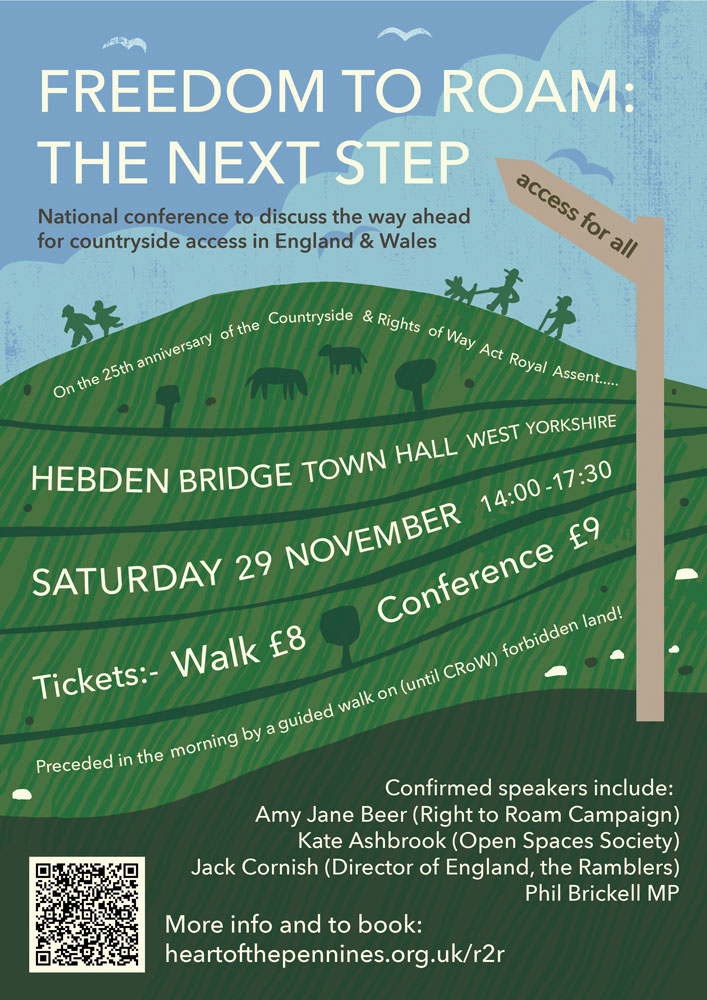
Gritstone author Andrew Bibby looks back on 25 years of campaigning for access since the Countryside Rights of Way Act came into being and ponders the next step in the Freedom to Roam process.
I moved to the south Pennines house where I still live today from inner-city Coventry more than thirty-five years ago. It was quite a contrast. Instead of being woken in the small hours by the noise of a fight outside the nightclub across the dual carriageway opposite I got woken up by the sound of ducks and geese on the nearby Rochdale Canal.
And of course there were now hills on my doorstep which I lost no time in getting to know. Our beautiful moors have survived all that the Industrial Revolution could throw at them and have emerged the other side (almost) unscathed, even if the peat is more eroded than it should be and the water more acidic.
“Of course, there was always the option of tresspassing.”
But at the time when I moved north there was also a big frustration when it came to walking or running on the moorland: the ‘keep out’ signs which demarcated the land from which we were all excluded (unless we had paid to be there in the Autumn with our guns to try to bag as many brace of grouse as we could). It meant, for example, that the highest land in my part of the Pennines, Boulsworth Hill, was out of bounds if I wanted to get there from my side of the Yorkshire/Lancashire border. So too were impressive outcrops of millstone grit rocks, such as the Alcomden Stones, the Dove Stones and the Hare Stones.
Gritstone author Mike Padgett on his experience of publishing a novel with the Gritstone Publishing Cooperative – part 2 Getting through the selection process
How I made it through Gritstone’s selection procedure
I first met Colin Speakman at a Saturday book fair in the Ridings Centre in Wakefield in 2024. The fair was organised by the charity Promoting Yorkshire Authors (PYA). We were there, along with twenty or so other authors, to sell our books and promote PYA. Colin is famous. He has written or edited over fifty books, mainly about Yorkshire people and the Yorkshire outdoors, and he is a founder member of Gritstone Publishing Cooperative. We shared a stand and one incident particularly impressed me. A married couple with a child took an interest in one of Colin’s books. The husband was from Romania. He had fled the country a few years ago and now lived in Bradford with his wife who was Yorkshire born and bred. His wife smiled and said her husband still felt homeless. Colin looked the man in the eye and said, ‘You’ve married a lass from Yorkshire. You’re a Yorkshireman now. You’re one of us.’
The day went well in Wakefield with plenty of shared stories from people passing by and we made a few sales. At the end of the event Colin and I exchanged a couple of our books and I thought that was the end of that.
A pleasant surprise
A couple of weeks later I got an email from Colin saying how much he’d enjoyed reading Scrap. Scrap, he said, has Yorkshire grit running through it and he asked if I would be interested in applying to join Gritstone Publishing. The cooperative was looking to increase its membership from seven to eight or nine that year. Colin gave me an outline of the way the cooperative works regarding production of books, marketing, and collective support (see my previous blog).
It sounded interesting. He explained how the recruitment process worked: apply in writing outlining why I want to join the co-op and what I think I can offer; give details of the books I’ve published and the outline of any book I am working on; be aware of the need to attend meetings at Hebden Bridge three or four times a year; attend an informal interview at Hebden Bridge and meet the other seven members.
What’s to lose?
My application went off and a few weeks later Gritstone invited me over to Hebden Bridge for lunch at the Town Hall to be followed by an interview. It was a pleasant surprise to be treated with such civility, especially after a number of no replies from certain publishers.
I put on my best pair of jeans and caught the train from Brough to Hebden Bridge. What a lovely day it turned out to be. The other members of the co-op were as friendly and welcoming as Colin. Over lunch they quizzed me and I quizzed them before we all retreated to the interview room. I explained how Kicking Off, the novel I was working on, was, like my previous novel Scrap, a piece of social realism based on ordinary working people in Yorkshire. Gritstone liked my work and my story. Their main concern was whether to expand from their traditional publishing base of non-fiction writing covering mainly the outdoors, nature and landscape, and move into fiction writing preferably with a Yorkshire connection.
Success
I went home and carried on writing. Whether Gritstone wanted me or not, the experience had warmed me up and my writing went well for the next few weeks.
Then I got the offer to join the cooperative and I jumped in. Plenty of support from my colleagues and expertise at my fingertips. It’s grand.
The full Gritstone team of eight at a book launch in Beverley
If you think Gritstone is worth checking out and feel you would fit in, follow our website and look out for details of our next selection event planned for early 2026 to coincide with the cooperative’s 10th anniversary.
Mike Padgett is the author of Kicking Off, published by Gritstone
Gritstone author Mike Padgett on his experience of publishing a novel with the Gritstone Publishing Cooperative
“instead of standing outside the front door listening to strange noises through the letter box, I was invited into the house”
Mike Padgett, Gritstone Author
No apologies – this blog is about my experience of publishing my novel Kicking Off through Gritstone Publishing Co-operative, the company I joined in May last year.
The blog is aimed at writers contemplating self-publishing a book. I’ll tell you how Gritstone differs from the (very good) self-publishing company I used for my previous two books. I’ll tell you what I found unique about Gritstone. And next time I’ll tell you how I got through Gritstone’s selection process.
It worked so why change?
If you’ve finally finished your manuscript and are now riding the highs and lows of self-publishing – whether you’re doing everything yourself, or using Amazon, or a vanity publisher, or one of the good, honest self-publishers out there giving value for money and no false promises – you’ll know how lonely and overwhelming the process can be at times.
Well that’s how it felt to me before I joined Gritstone Publishing Co-operative in 2024. Back in 2021, when I was looking for a publisher for my travel memoir (As Far As We Can), I had no idea what was involved. But I was optimistic. I thought it was just a matter of sending off my manuscript to a handful of the best sounding publishers listed in the Writers and Artists Yearbook and wait for the offers to come in. Have you been there? It’s a bit of a downer when hardly anyone even bothers to respond. Then you get the call and an offer of a contract only to find within minutes, and before you can shout, ‘I’ve made it’, that the offer is from a crafty vanity publisher with eyes on your ego and your money.
But I kept on going with only my partner for encouragement. Then I had some luck. I spotted a good review of a self-publishing company called Grosvenor House Publishing in the Writers and Artists Yearbook. They were open and honest. They accepted my manuscript and yes, they took my money but all the costs were itemised. I had to pay up front (about £800 at the time), follow their rigid guidelines, and in return they committed to producing a quality product. The contract I signed made it very clear that my book would be classed as self-published, all marketing was my responsibility, and I would retain all the rights.
It all went to plan and Grosvenor House certainly delivered a quality product. The paperback looked great and I had that wonderful feeling you get the first time you see your book in print. Grosvenor House arranged for the book to be available through all major retailers and bookshop, they printed copies on demand (POD) so there were no piles of books stacked in my garage, and paid regular royalties. I was so impressed I used Grosvenor House two years later for my second book (Scrap).
When anyone asks how it all worked I tell them I pushed a cheque through an imaginary letter box marked Grosvenor House, swapped a few emails and phone calls with their very friendly staff, listened blindly to various bangs and clatters though the letter box, then a few weeks later out popped my book, all shiny and new. However, the publishing process remained a bit of a mystery, although I did learn some of the technical jargon. If there was a quiz about Metadata, key words, long and short descriptions, ISBN’s and royalty payments, I think I’d do ok.
What’s unique about Gritstone Publishing?
So, if Grosvenor House was so good, why did I switch to Gritstone Publishing, Britain’s first author-run cooperative, for my third book (Kicking Off)? Did Gritstone offer me a six figure sum advance payment? Did they say they’d take care of all the editing, the cover design, printing, distribution, liaising with all the major retailers? Did they say they’d do all the marketing and promotion – the press releases, the newspaper reviews, setting up the interviews on radio and TV, and all I had to do was turn up and smile (nervously) and sign thousands of copies of Kicking Off?
No, Gritstone Publishing offers none of that. It’s still self-publishing. But instead of standing outside the front door listening to strange noises through the letter box, I was invited into the house to sit around the kitchen table. I sat with my seven colleagues at Gritstone, each one a published author with a particular skill and expertise in an aspect of publishing. We communicated daily by email and phone, paired up for a coffee and a chat when I had a specific need, and met up as a full team twice in the year at Hebden Bridge. In between the meetings two members, Eileen and Chiz ran masterclasses in marketing and web design.
Throughout the year my colleagues offered advice, guidance and support but it was ultimately up to me to decide which contractors to employ for each stage of the publishing process. There was no upfront one-off payment (other than a £250 loan to the cooperative). Instead I paid for each individual stage of publishing. As a result the total cost was less than I spent on my previous books. But more importantly, I was in control of how my book would be published and that felt good.
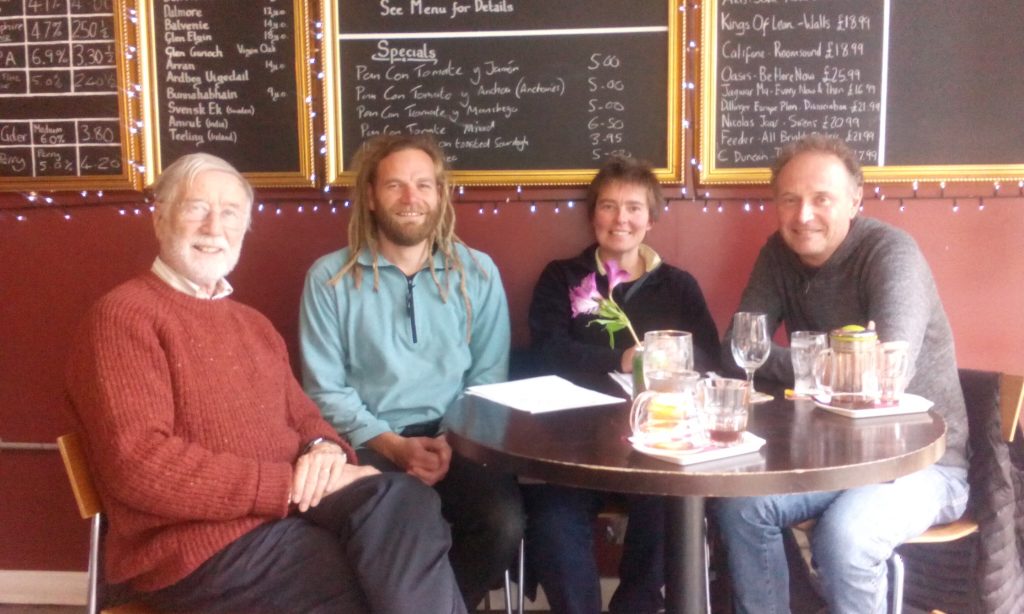
The original seven Gritstone members at Hebden Bridge Town Hall
Gritstone author Eileen Jones wades through litter on the lakeshore to examine the problems of fly camping and the damage caused to the environment in popular tourist areas
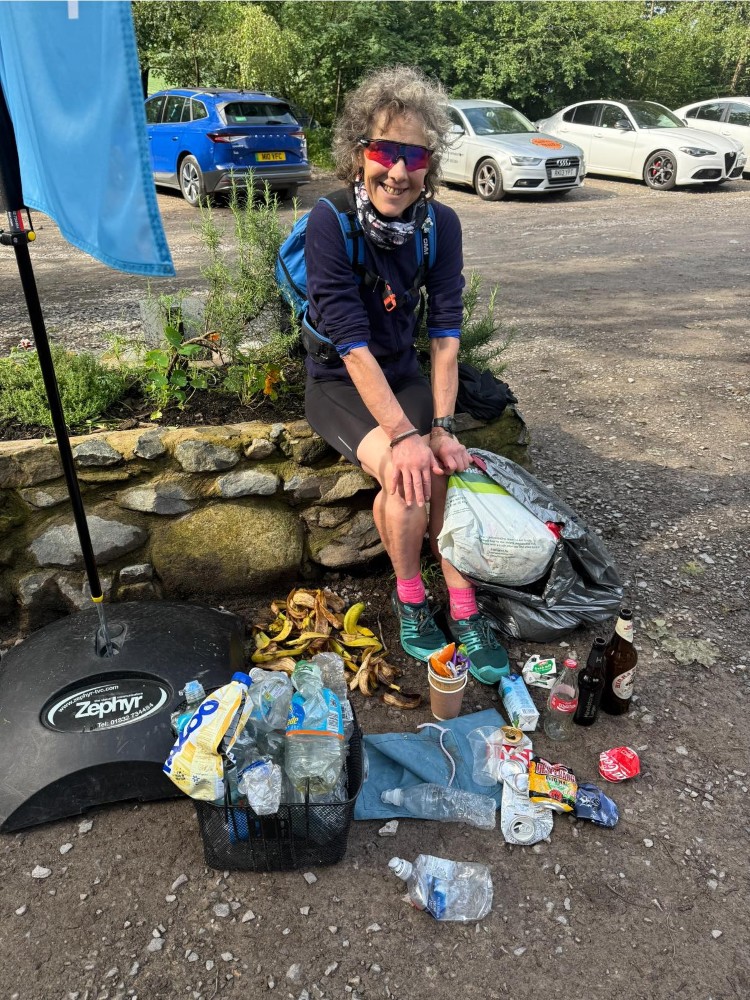
Trees are hacked down for firewood. Disposable barbecues are left smouldering with disastrous consequences. And abandoned camping equipment is becoming a familiar sight in the Lake District.
Eileen Jones, Gritstone Author
It’s the worst kind of irresponsibility in a summer of drought when wildfires have spread across moorland areas in several national parks – and even in woodland on the outskirts of London. But for some objectors, the aesthetic value of the natural world is being destroyed, alongside damage to the environment. They point to tents pitched along the shore of Ullswater, campervans churning up the grass beside the road opposite the Wastwater screes, and camping kit abandoned up in the mountains at Stickle Tarn and Sty Head.
One volunteer vigilante group has even launched a new tactic of NOT picking up litter for several days, to illustrate the scale of the problem.
A wild night out
The lure of the hills at night time has long been appreciated by walkers and climbers. I’ve pitched a small tent on top of my favourite little mountain, Loughrigg, and my friend, the late Julie Coldwell, often slept out under the stars at Lily Tarn. When my children were young, we all slept on the summit of Latterbarrow, with no tent, just sleeping bags, in a reliable warm and dry summer.
Were we breaking the law? Wild camping is reckoned to be permissible above the highest intake walls, around 1000ft, and lowly Latterbarrow is only 800. In fact, wild camping is technically not permitted anywhere in the Lake District without prior permission from the landowner. The National Park Authority does not have the power to allow camping on private land, and they do not permit camping on the small amount of land that they own. Camping in car parks or on roadside verges is not allowed at any time.
The LDNPA says that if you choose to wild camp, it is normally tolerated if you camp above the highest fell wall, well away from towns, villages and lake shores. Leave no litter – this includes not burying litter and removing litter if you find it, and don’t light any fires, even if there is evidence that fires might have been lit before. Stay for only one night, keep groups very small – only one or two tents, camp as unobtrusively as possible with inconspicuous tents which blend in, and carry out everything you carried in.
“Wherever you pitch, please remember that the landowners or their representatives have the legal right to order you to break camp and move on,” they say.
Police patrols
But after many concerns through early summer about lakeshore problems, patrols have now been stepped up across the Lake District to crack down on fly camping – the term used to describe irresponsible and often illegal camping practices that leave behind litter, damage the environment, and disturb other visitors.
The LDNPA alongside Cumbria Police and National Trust rangers launched the first of the enhanced patrols at the beginning of August at Ullswater. Officers split into teams, with some joining lake rangers on the water to spot camping activity and alert rangers on the ground.
Spoiling the view: Fly camping opposite Wastwater screes. Photo from the concerned local residents
These coordinated patrols are continuing at Derwentwater, Windermere, Wasdale and Coniston, at various times of day and night. They will run alongside routine checks carried out by National Trust and LDNPA rangers.
Illegal camping at Wastwater. Photo used with permission from a group of concerned local residents.
The initiative is part of a wider visitor management strategy involving key partners including Cumbria Police, Cumberland Council, Westmorland and Furness Council, the Cumbria Police, Fire and Crime Commissioner, and major landowners. Together they share information and coordinate efforts to address anti-social behaviour linked to outdoor tourism.
Is the problem a part of what’s been called an “increase in incivility” since the pandemic lockdown? Several academic studies worldwide have looked at the issue, including this from the Czech Republic. In the UK, there has clearly been a marked disrespect for authority, after months of being told what we could not do by leaders who were not obeying their own rules.
Education, education, education
Lindsay Buck, the Wasdale Womble (used with her permission)
Educating people is key, says Lindsay Buck, known as the Wasdale Womble. Most days Lindsay cycles from her home in Gosforth to Wasdale Head, then climbs Scafell Pike, collecting litter along the way. She reports her findings on facebook, occasionally entertaining (who would take a whole coconut up a mountain and leave it there?) but usually distressing.
Photos by her fellow womble Mick Pearce show the scale of rubbish left at the summit shelter of England’s highest mountain. Lindsay herself carries bags-full back down the hill.
On her daily journey she’s seen the growing problems alongside England’s deepest lake. “Fly camping along Wastwater is a real issue and needs all the agencies including those at the top of the National Trust to work harder together both in our area but as a bigger conversation about how we encourage people to explore rural areas without negative impact” she says.
“It’s a huge uphill task to get those at the top of interested parties to take notice/actually do anything. Those on the ground are frustrated as well as being under an enormous amount of pressure. It needs addressing at government level as well as local and could be hugely impacted by better education, engagement and enforcement when required. The vast majority deserve better. I meet such lovely folk everyday; it’s a shame small minority are allowed free rein.”
Binfluencers
In the North Lakes, a group of litter-pickers has set up who call themselves the Binfluencers, a play on the social media influencers which volunteer Annie Garforth accuses of being “the death of this place, as they compete for likes, follows and the perfect photo without mentioning anything about the Countryside Code”.
“It seems to be a trend to hang a dog poo bag on a tree like a Christmas decoration,” she says. “And the amount of human waste is ridiculous. We found a garden chair that had been carried to a lakeside camp with a hole cut in the middle so they could do their business.”
Now her group has devised a new tactic, to deliberately NOT pick up litter until a certain date, to highlight the extent of the problem. Meanwhile, following reports of fly camping and BBQ use along the Derwentwater shore, officers from Allerdale Neighbourhood Policing Team have been carrying out patrols and using the Keswick Launch to identify hotspots and deter unlawful activity. They say: “We want to remind the public that BBQs and open fires pose a significant fire risk and can cause harm to the local environment and wildlife. Fly camping often results in littering and damage to the lakeshore, which will not be tolerated.”
Mess in the mountains
But it’s not only at lake level where the fly camping problems are increasing. Mountain rescuers searching an area above Patterdale came across huge quantities of litter at a mountain cave known as the Priest’s Hole. For geologists this is classed as a ‘fault’, caused by ancient earth movements, but to generations of climbers, wild campers and walkers, it offers one of the best shelters in Cumbria, and a 180-degree panorama of the northern Lake District. Its fame in the outdoor world is such that it has a visitors book.
But a missing person search using MRMap (automated drone search technology developed by Mountain Rescue) found heaps of rubbish below the cave. Two members of the Duddon and Furness Mountain Rescue team, equipped with a large 113L sack, decided that they would spend some time collecting it up. The drone provided images and locations for each item, but while collecting these they found more items, not see by the drone, tucked under boulders. They had to make a second journey into the hills to collect the remaining rubbish.
Scafell pickings: litter found in the summit shelter of Scafell Pike. Photo: Mick Pearce
Graham Uney, mountain guide and former fell top assessor for the LDNP, had clearly lost patience when he wrote on social media: “Here’s a random thought. Do you think that if those of us who care about our wild spaces just stopped clearing up all the shit, abandoned tents, fire scars, disposed barbecues and other crap that we find in the countryside, the people who leave all this behind would eventually think this place is a shit hole and stop coming? Don’t worry, I’m not advocating that we do this. It’s just very dispiriting at times, and it feels like there’s no end to it.”
The views expressed in this post are those of the contributor and do not necessarily represent the views of all members of the Gritstone co-operative.
Just as you need to have passed a driving test to handle a car, I propose that in future you’ll have to take a countryside test if you want to go out walking. It needn’t be too onerous. A practical element should be included, checking for example that you know to leave farm gates the way you found them and not to let dogs harry livestock. And then there would need to be a written test too. I imagine the questions for the English test could be something like this (Scotland and Wales would have slightly different questions): What do the letters ELM stand for in a farming context? And the letters SFI? Can you explain the difference between Mid-Tier and Higher-Tier?
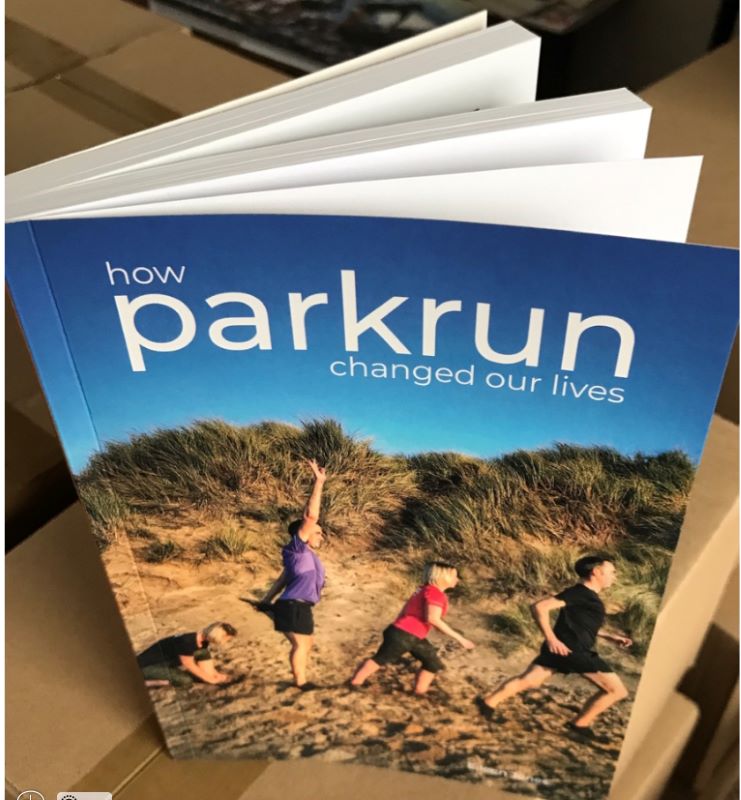
Reprinting How parkrun changed our lives by Eileen Jones
Four years is a long time in parkrunland, if not in publishing. Reviving an out-of-print title ought to be an easy decision, but a great deal has altered since How parkrun changed our lives was first published, and a ‘second edition’ would have involved updating much of the material which was current in 2021.
The book was written and published during the Covid-19 pandemic lockdown when, for 16 interminable months, no parkruns took place, at least in the UK, so no statistics changed and I could confidently state that there were 730 British parkruns (there’s now 1306) and that I had run at 104 of them (171 now). Today the entire chapter For the love of numbers is a historical document. Then there were 7 million people worldwide who had registered for parkrun; now there’s more than 10 million. Some statistics have since been removed from the official records in parkrun HQ’s (mistaken) belief that knowing some people can run very fast and, even more shocking, that some older people can still run quite fast, might deter novices from signing up. The parkrun community on social media has found ingenious ways to circumvent that.
And it’s on social media where the parkrun community is far more active now than four years ago, celebrating some wonderful and bizarre achievements among those who might never have run very fast, or might never have been runners at all but for our free, weekly 5k obsession. Since the book was first published there are now two people who have completed NINE alphabets (that is, parkruns beginning with every letter except X, of which there are none worldwide), five have done seven alphabets, 13 have done six alphabets, and you can be sure that these figures will be out of date by the time this feature is published.
Milestone teeshirts (Photo Laura McGuigan)
Last October I went to the 20th anniversary event at Bushy Park, where it all began. And I confess to being a little starstruck at Pavilion Gardens parkrun in Buxton when I met Gregory Bailey, the first person to do 100 different parkruns consecutively: this became known as Going for a Bailey. Gregory went on to do 250 different parkruns without repeats, and this is known as the Full Bailey. Darren Wood, as I write, has done 931 parkruns though that figure will change before this piece is published.
It’s not only the numbers that have changed, of course. At parkrun HQ Russ Jefferys is now CEO; champion triathlete Chrissie Wellington, who is quoted at length, has left her post as head of health and wellbeing; and Tom Williams, chief operating officer, has moved on to set up a new venture. People I interviewed for the book have also gone on to higher achievements, notably triathlete Lucy Gossage, who founded the 5k your way project, and recently was the women’s winner of the brutal Winter Spine Race. And Helen-Ann Hartley, then Bishop of Ripon and a regular at Fountains Abbey parkrun, is now the redoubtable Bishop of Newcastle (with whom I spent a delightful morning at Whinlatter Forest parkrun last summer).
All of the research and interviewing for that book had to be done virtually because of lockdown: phone calls and zoom meetings, but I’m proud to now call some of those people my friends, among them the GP parkrun practice pioneer, Dr Simon Tobin; Steve Haake, Professor of Sports Engineering and Director of Engagement at the Advanced Wellbeing Research Centre at Sheffield Hallam University; blind runner Dave Williams; and parkrun ambassador and my chief of staff when launching the book by relay, Eve Taylor. I spent a happy weekend camping with Tom and Helen Williams and their children. And Paul and Jo Sinton-Hewitt were happy to be escorted to several parkrun events in the Lake District, made very welcome here by my cycle-fanatic neighbours.
The relay team that launched the book during lockdown (Photo: Eve Taylor)
That book led on to a sequel, p is for parkrun, which feels less dated because it concentrates on the wonderful, often eccentric characters met while chasing my own alphabet, and their stories. So How parkrun changed our lives will remain a historical document and I’m pleased it’s back on the shelves. What hasn’t changed at all is the ethos of parkrun, a free and inclusive worldwide movement. As PSH said when I talked to him back then: “parkrun may well be the most successful public health initiative of the 21st century, but it is successful precisely because it isn’t a public health initiative. The egalitarianism, community building, and mental health benefits all flow from people being passionate about running. parkrun wouldn’t have worked if it had set out to create an egalitarian movement to mobilise volunteers and build community: the key was setting out to build something that would help people run 5k.”
Author takes to the hills to release a new title by Eileen Jones
Planning a book launch with a difference, in the Lake District, was always going to be something of a challenge. “What IS the plan?” asked the friend with the camera. “Well, if the weather’s good we can have a picnic at the top. If the weather’s normal, we’ll just take a quick photo and leg it back down as quickly as possible.”
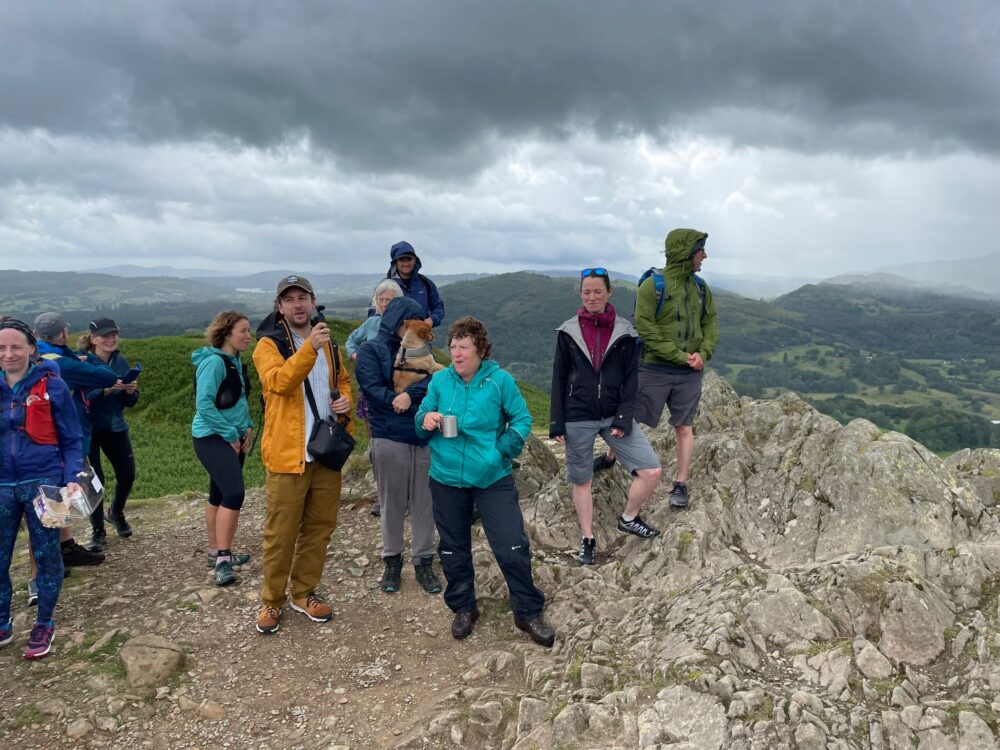
Summit party
But a challenge is good. Having dabbled in event management during my career, I see a book launch as a novel way of attracting extra publicity. The first parkrun book published by Gritstone was carried in a seven-day relay, Olympic torch style, from Windermere to Bushy Park in London. The second was launched at a busy event in North Manchester in front of 700 parkrunners. Yes, we sold a few copies that day. For one of Andrew Bibby’s crime novels set in the Lakes, we arranged a geo-cache style treasure hunt in which a clue for a prize was hidden on a remote fellside above Wastwater. It was discovered even though heavy snow had fallen over the hiding place, but the local media enjoyed a news story with a twist.
Waiting at the summit
When Gritstone colleague Chris Goddard completed the first in his series of guidebooks to the entire England coast path I help organise a launch at a pub in Woolwich from where a path beside the Thamas marks the beginning of the route. Only when we arrived, we found the pub had closed down, with a repossesion note pinned to the door. A generous cafe owner next door offered some space instead, and that’s where Chris addressed a bespoke band of ramblers. Lessons in crisis management.
My new book is about the lovely little mountain, Loughrigg, which I’d run or walked up every week during 13 years living in Ambleside in the Lake District. It just about makes “mountain” status at 1099 feet (335 metres) and in the list of 214 Wainwright fells, Loughrigg scrapes in at number 211. But it’s a sprawling land mass, stretching for almost three miles from the head of Windermere to the foot of Grasmere, riddled with glorious paths and rocky outcrops, an overground rabbit warren as one devotee described. And there are many Loughrigg devotees as I discovered, gathering their stories for Loughrigg: Tales of a Small Mountain. People who climb her, run over her, paint her, live on her lower slopes, swim in her tarns (for this fell seems female). So when the book was ready to be launched, there was one obvious place for a celebration, and that was beside the summit cairn.
Author makes a speech
Loughrigg’s top point is an actual trig column, a structure with a history of its own deserving an entire chapter in the book, and that’s where the invitations pointed. Join us at the summit at 2pm; no other instruction was needed. A copy of the book was packed in a waterproof map case, and I met some friends at Miller Bridge at 1pm to start walking up. We were a lively group. My son David was with his girlfriend Eleanor and their Pomeranian, Ted. Ruth, who had tried to teach me orienteering on Loughrigg, brought her collie Isla. There was a race organiser who’s also a poet, the editor of the Fellrunner magazine, and several members of Ambleside AC.
The climb was a Tolkien-esque gathering as our fellowship grew along the way. We were joined by my beloved former neighbours; a couple who were camping at Loughrigg Tarn and wondered what was going on; a runner who, I happened to know, finished 10th in the marathon at the 1988 Seoul Olympics.
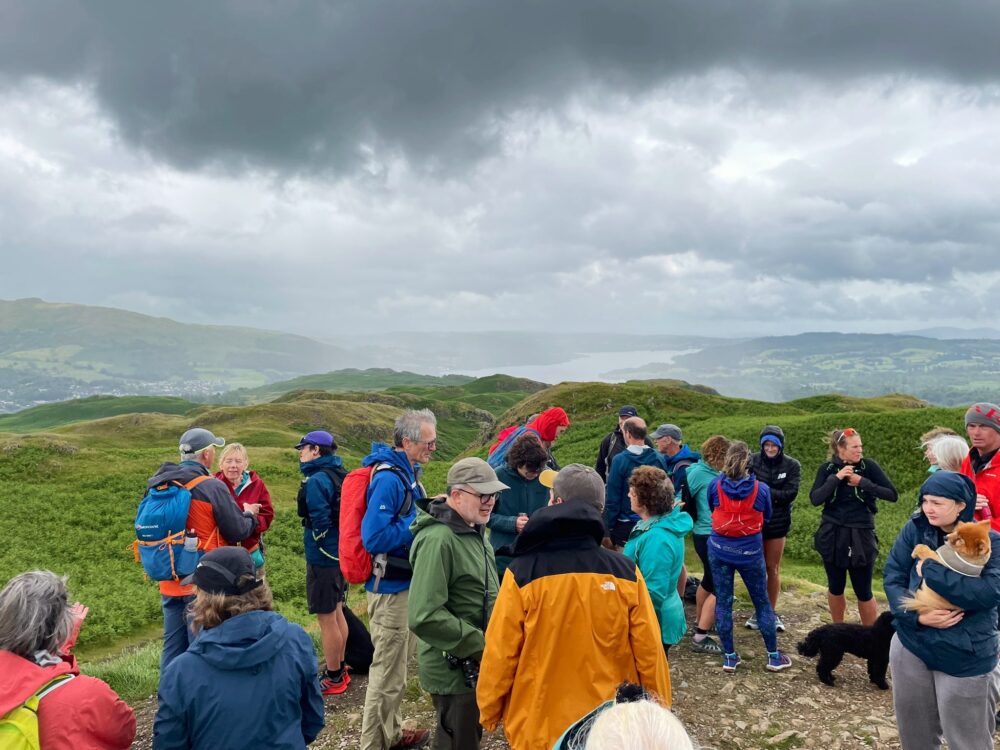
Dozens more were gathered at the summit when we got there, including my photographer friend and his daughter who had packed some bottles of Prosecco along with the camera (had to keep that quiet from my friends in the mountain rescue team!) and a professor from the University of Cumbria. Dr Penny Bradshaw runs the MA in literature and romanticism, and when I’d asked for a few words for a chapter on what Loughrigg means to others, she wrote me an entire chapter. She also bakes jolly good scones, and had brought a box of them to the summit, along with jam and clotted cream, and was serving the assembled company from her table on the trig column.
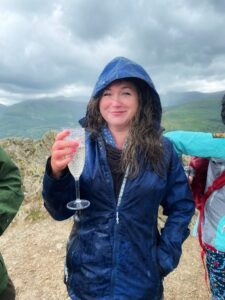
Penny Bradshaw raises a glass
Several strangers arrived, learning about the event from social media and wanting to pay tribute to their own favourite fell. Like so many others they were entranced by the magic of Loughrigg. As poet Kerry Darbishire says, recalling being “dragged up through the bracken” by her mother: “It was always worth it, and always took my breath away in more ways than one, as the views over to Grasmere, down Windermere, across to Grizedale and toward the Langdale valley and the Pikes felt as though we were at the top of the highest mountain in the world. If we were lucky, we’d watch wild geese flying north or south between scudding clouds. These moments will never leave me, and often appear in my poetry. Loughrigg felt like our fell, our friend, always there to escape to and enjoy.”
The weather was typically Loughriggian. It rained and then stopped. The mist closed in and then the sun came out. The wind howled and then whimpered away. We had everything that the fell has to offer in just one hour.
Music while you walk: the coast path guide with a song for every step of the way
The England Coast Path is a new long-distance path around the whole coast of England. At over 2,700 miles, it will be the longest completed coastal path in the world and will provide an important opportunity for exploring the peripheral landscape of our maritime country.
And a new guidebook covering the south-west, with a song for every step of the way, will have its official launch next month (April) at Clevedon in Somerset. The event will be held at Books on the Hill in Clevedon on Thursday April 11 at 6pm. This lies on a newly-opened section of the route that extends the existing South West Coast Path all the way up the Severn estuary.
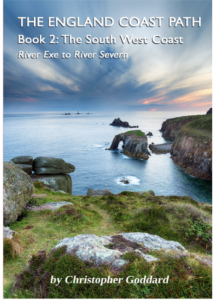
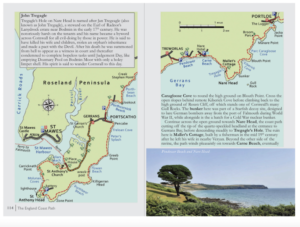
THE ENGLAND COAST PATH: Book 2 – The South West Coastis the second in a series of four guidebooks, providing the most thorough information for walking the entire route. It covers over 650 miles around the south west of England from the River Exe at Exmouth to the River Severn at the Severn Bridge. Tracing the coastlines of Devon, Cornwall, Somerset and Avon, this spectacular route takes in some of the finest cliff scenery in the world, as well as verdant river estuaries, expansive beaches and a beautiful collection of resorts and harbours.
Its 336 pages feature hand drawn maps, colour photos, detailed route descriptions (including accessible alternatives in the few places where the route is not yet officially open) and a wealth of additional information on public transport, parking, accommodation, campsites, refreshments, and local history. This is not a guide to the whole of the South West Coast Path, but rather the England Coast Path’s south west section, which also includes the new route along the Somerset and Avon coast from Minehead to the Severn Bridge.
And a delightful addition to the usual kind of maps and guides, this book has music at its heart. Every section of the route also has an accompanying Song for the Day, whether by a local artist or a song inspired by this part of the route, with a soundtrack playlist available on YouTube (www.youtube.com/@englandcoastpath).
The books are the creation of author, cartographer and musician Chris Goddard. It’s his seventh book, following on from guidebooks about the Yorkshire landscape and the Wales Coast Path, as well as the first book in this series on The South Coast.
Says Chris: “I walked the first section of the route between Lulworth and Weymouth in 2013, so it has taken over 10 years to complete the first couple of books, though this is because new sections of the route have been slow to open and a pandemic didn’t help. I have now walked more than ¾ of the whole route and the final two books of the series, on the North Coasts and East Coast, will follow in 2024/2025.”
He travelled around the country mostly in his van, using public transport to return each day, and greatly enjoying spending time in a very different part of the country. “Particularly in the last few years, I have felt very lucky to be able to do this and enjoyed the walking more, whether or not there would be a book at the end of it.
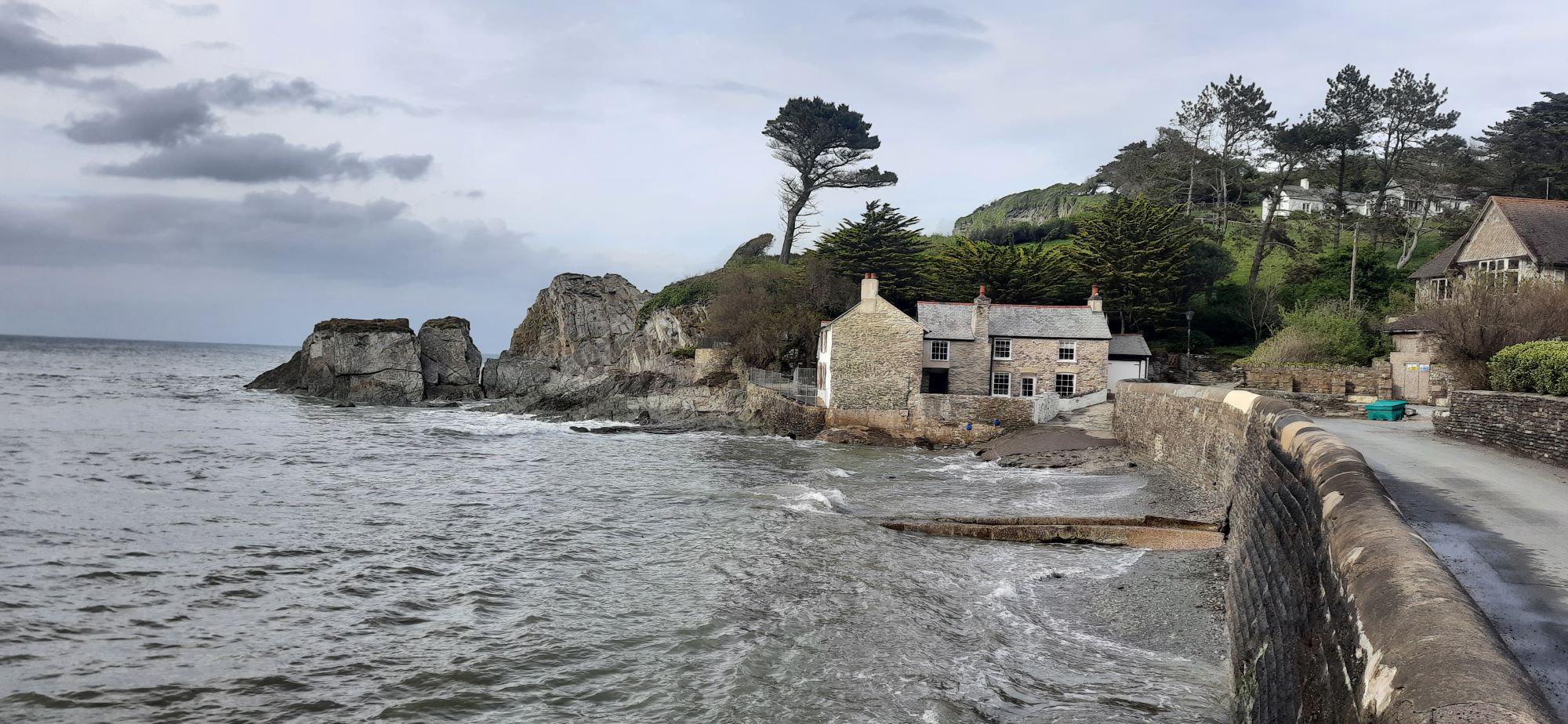
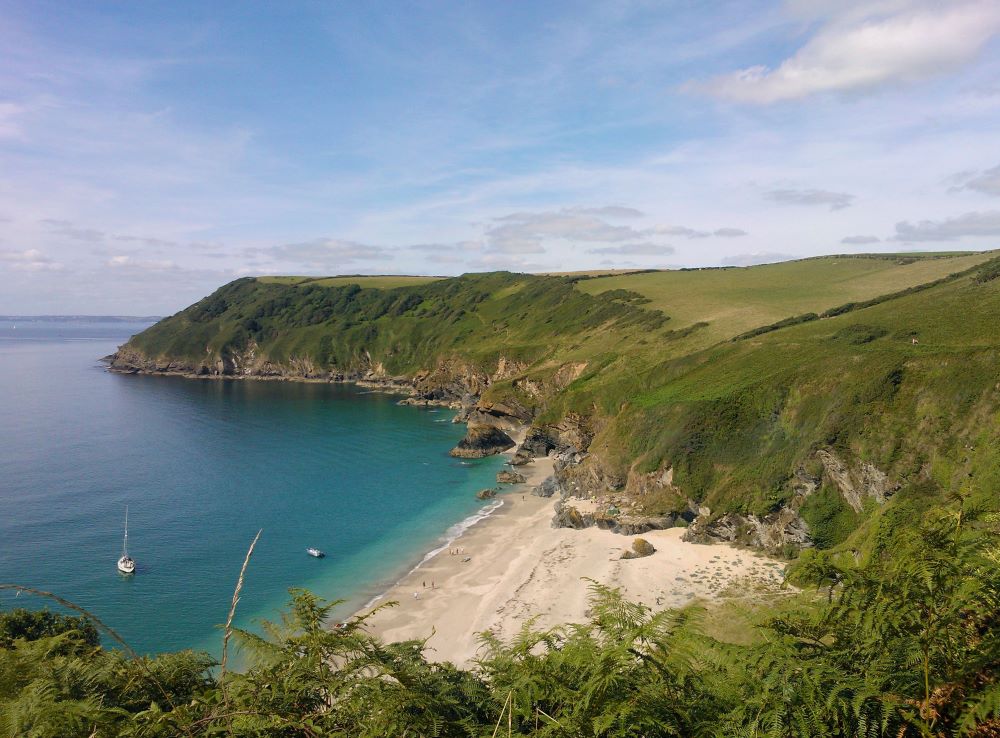
“As well as a great ramble, walking the coast of England is a great way to connect with its maritime past and consider its particular outlook as an island nation. I particularly enjoyed the south west coast as it a truly spectacular and wild coastline. As well as the towering cliffs for which it is famed, there is a great variety of scenery with lush estuaries, vast beaches and dunes, expansive levels and rich woodland, so there is rarely a dull moment on this part of the England Coast Path.”
THE ENGLAND COAST PATH: Book 2 – The South West Coast by Chris Goddard is published by Gritstone Publishing, £15.99. Everyone is welcome to attend the launch party at Books on the Hill On Thurs April 11 at 6pm. https://www.booksonthehill.co.uk/
‘There, far beneath and before them, lay the everlasting stretch of ocean; there, upon detached rocks, were the white screaming gulls, seeming ever intending to settle, and yet always passing on. Right and left ranked the toothed and zigzag line of storm-torn heights, forming the series which culminated in the one beneath their feet.’ Thomas Hardy, A Pair of Blue Eyes
The south west of England is its wildest peninsula, stretching furthest west and south and reaching further into its Celtic past. Here a Celtic language survived far longer than in the rest of the country, only dying out in the west of Cornwall in the late 19th century, and its words remain preserved in local place-names and its culture in the many prehistoric sites scattered across the region. With travel by sea easier than by land, the south west was for a long time more closely linked with south Wales, Ireland and Brittany than it was with the rest of England, and that probably suited it very nicely.
If you followed a link to the “Countryside After Covid” series of blogposts – this is indeed still the series of Gritstone blogposts on subjects that our authors care deeply about, but now with a new and more up to date name!
The views expressed in this post are those of the contributor and do not necessarily represent the views of all members of the Gritstone co-operative.
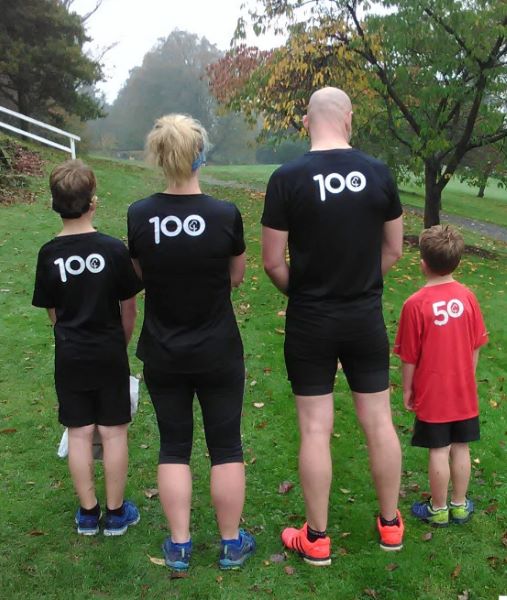
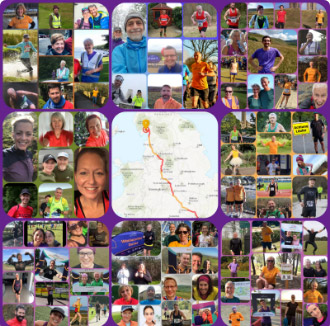
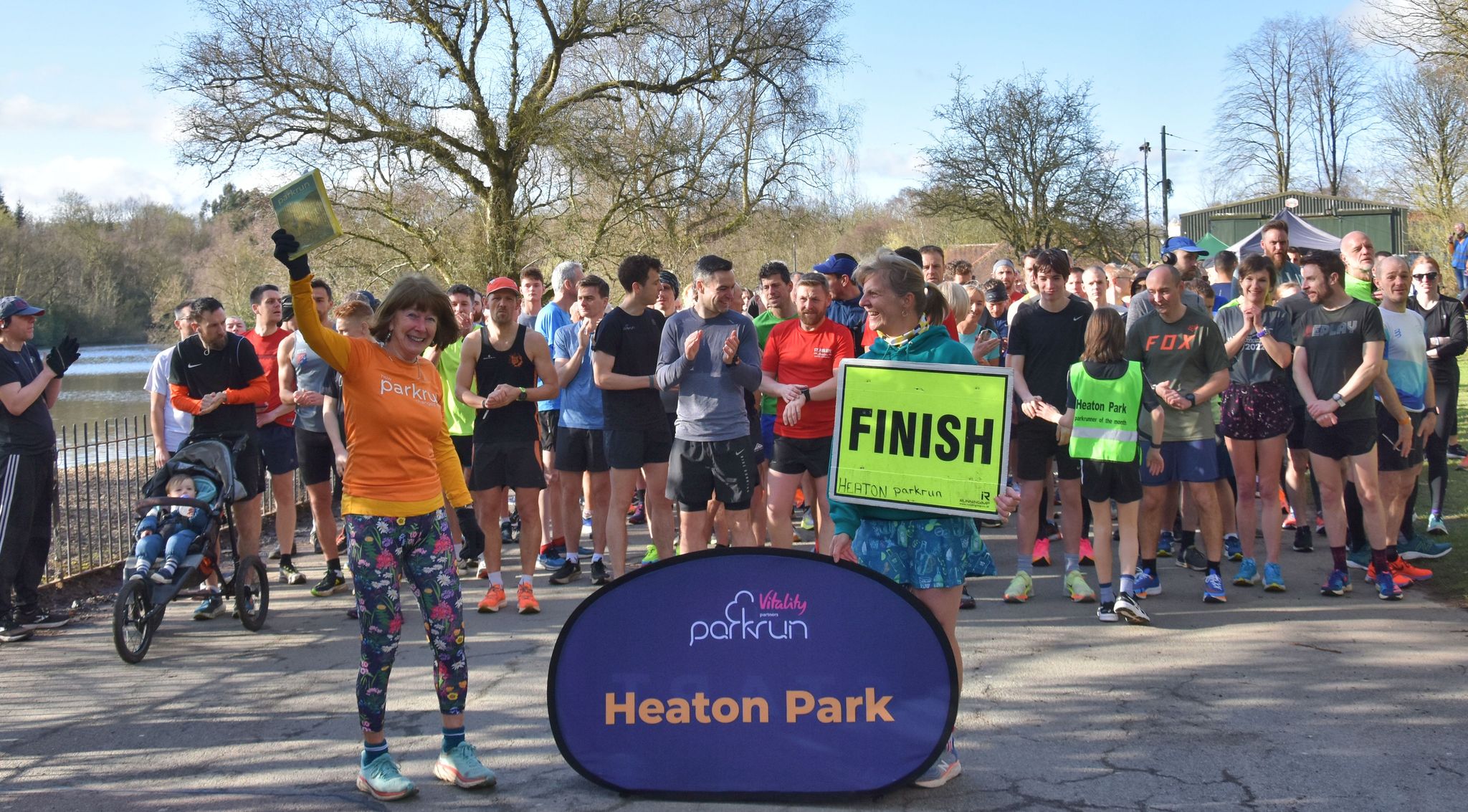
In the summer of 2021, Gritstone author Eileen Jones sent a copy of her book How parkrun changed our lives off on a journey. She gave it to a couple of “parkrun tourists”, Linda and Peter Moehle, who were visiting her home parkrun at Fell Foot in the Lake District, and were heading to Bramhall, and then Plymouth parkruns, with the request that they should hand it on to another tourist. Let’s see how far it travels, she said at the time.
We use cookies to optimize our website and our service.
Functional
Always active
The technical storage or access is strictly necessary for the legitimate purpose of enabling the use of a specific service explicitly requested by the subscriber or user, or for the sole purpose of carrying out the transmission of a communication over an electronic communications network.
Preferences
The technical storage or access is necessary for the legitimate purpose of storing preferences that are not requested by the subscriber or user.
Statistics
The technical storage or access that is used exclusively for statistical purposes.The technical storage or access that is used exclusively for anonymous statistical purposes. Without a subpoena, voluntary compliance on the part of your Internet Service Provider, or additional records from a third party, information stored or retrieved for this purpose alone cannot usually be used to identify you.
Marketing
The technical storage or access is required to create user profiles to send advertising, or to track the user on a website or across several websites for similar marketing purposes.