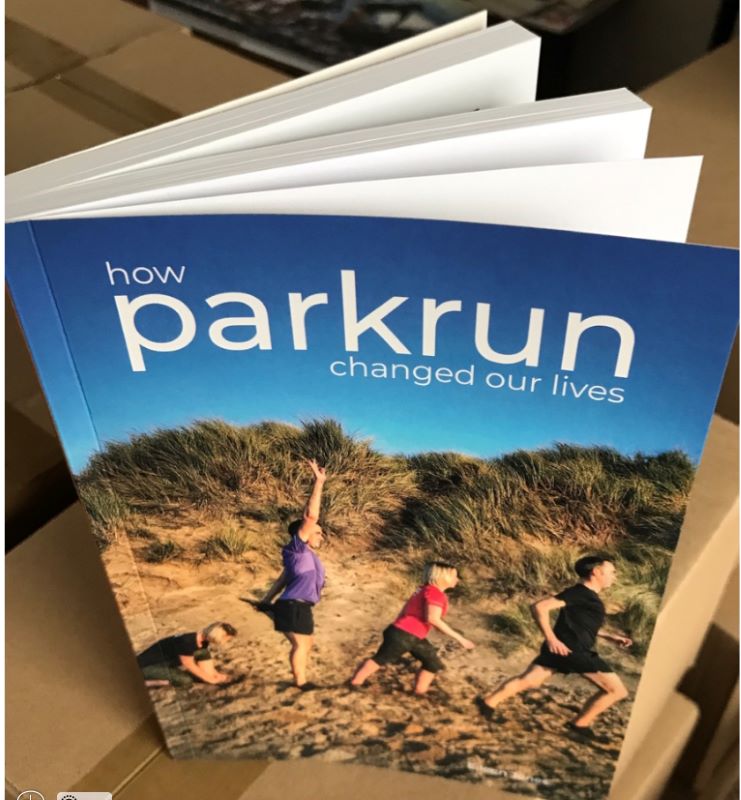
Reprinting How parkrun changed our lives by Eileen Jones
Four years is a long time in parkrunland, if not in publishing. Reviving an out-of-print title ought to be an easy decision, but a great deal has altered since How parkrun changed our lives was first published, and a ‘second edition’ would have involved updating much of the material which was current in 2021.
The book was written and published during the Covid-19 pandemic lockdown when, for 16 interminable months, no parkruns took place, at least in the UK, so no statistics changed and I could confidently state that there were 730 British parkruns (there’s now 1306) and that I had run at 104 of them (171 now). Today the entire chapter For the love of numbers is a historical document. Then there were 7 million people worldwide who had registered for parkrun; now there’s more than 10 million. Some statistics have since been removed from the official records in parkrun HQ’s (mistaken) belief that knowing some people can run very fast and, even more shocking, that some older people can still run quite fast, might deter novices from signing up. The parkrun community on social media has found ingenious ways to circumvent that.
And it’s on social media where the parkrun community is far more active now than four years ago, celebrating some wonderful and bizarre achievements among those who might never have run very fast, or might never have been runners at all but for our free, weekly 5k obsession. Since the book was first published there are now two people who have completed NINE alphabets (that is, parkruns beginning with every letter except X, of which there are none worldwide), five have done seven alphabets, 13 have done six alphabets, and you can be sure that these figures will be out of date by the time this feature is published.
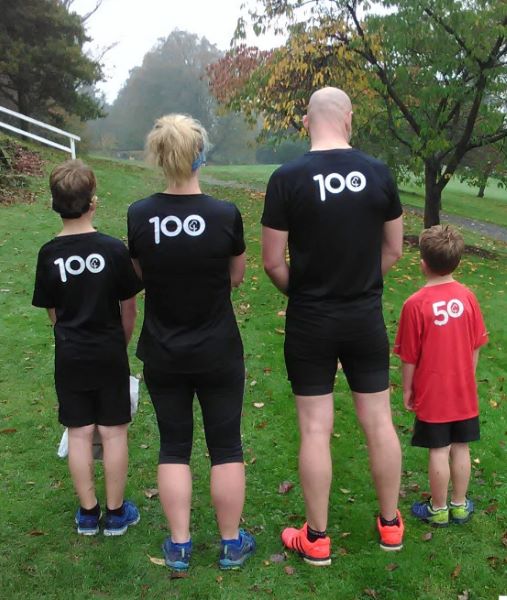
Last October I went to the 20th anniversary event at Bushy Park, where it all began. And I confess to being a little starstruck at Pavilion Gardens parkrun in Buxton when I met Gregory Bailey, the first person to do 100 different parkruns consecutively: this became known as Going for a Bailey. Gregory went on to do 250 different parkruns without repeats, and this is known as the Full Bailey. Darren Wood, as I write, has done 931 parkruns though that figure will change before this piece is published.
It’s not only the numbers that have changed, of course. At parkrun HQ Russ Jefferys is now CEO; champion triathlete Chrissie Wellington, who is quoted at length, has left her post as head of health and wellbeing; and Tom Williams, chief operating officer, has moved on to set up a new venture. People I interviewed for the book have also gone on to higher achievements, notably triathlete Lucy Gossage, who founded the 5k your way project, and recently was the women’s winner of the brutal Winter Spine Race. And Helen-Ann Hartley, then Bishop of Ripon and a regular at Fountains Abbey parkrun, is now the redoubtable Bishop of Newcastle (with whom I spent a delightful morning at Whinlatter Forest parkrun last summer).
All of the research and interviewing for that book had to be done virtually because of lockdown: phone calls and zoom meetings, but I’m proud to now call some of those people my friends, among them the GP parkrun practice pioneer, Dr Simon Tobin; Steve Haake, Professor of Sports Engineering and Director of Engagement at the Advanced Wellbeing Research Centre at Sheffield Hallam University; blind runner Dave Williams; and parkrun ambassador and my chief of staff when launching the book by relay, Eve Taylor. I spent a happy weekend camping with Tom and Helen Williams and their children. And Paul and Jo Sinton-Hewitt were happy to be escorted to several parkrun events in the Lake District, made very welcome here by my cycle-fanatic neighbours.
That book led on to a sequel, p is for parkrun, which feels less dated because it concentrates on the wonderful, often eccentric characters met while chasing my own alphabet, and their stories. So How parkrun changed our lives will remain a historical document and I’m pleased it’s back on the shelves. What hasn’t changed at all is the ethos of parkrun, a free and inclusive worldwide movement. As PSH said when I talked to him back then: “parkrun may well be the most successful public health initiative of the 21st century, but it is successful precisely because it isn’t a public health initiative. The egalitarianism, community building, and mental health benefits all flow from people being passionate about running. parkrun wouldn’t have worked if it had set out to create an egalitarian movement to mobilise volunteers and build community: the key was setting out to build something that would help people run 5k.”
How parkrun changed our lives by Eileen Jones (Gritstone, £9.99)
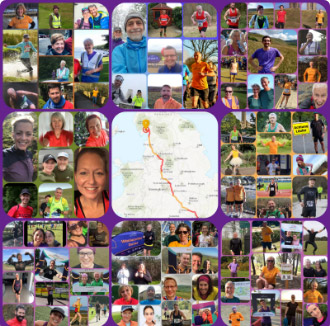
With thanks to Eve Taylor (collage) and Laura McGuigan (book cover and 50/100 teeshirts) for use of images.