Andrew Bibby
The views expressed in this post are those of the contributor and do not necessarily represent the views of all members of the Gritstone co-operative.
I was searching my way through Google a day or two back, researching the devastating effect of Right to Buy in rural areas (a topic, perhaps, for another day) when I came across a blog from the Campaign to Protect Rural England’s chief executive at the time when what became the Housing Act 2015 was first being discussed.
The blog included an interesting claim: “one senior Tory told me that no one has a right to live in a village any more than they have a right to live in Mayfair. Someone may have grown up in a village and work in it, but if they cannot afford to buy a house in it they should move to the nearest affordable town.”
Assuming this attribution is genuine, I think we have to admire the MP’s honesty and commitment to their beliefs. If you feel, as they do, that the market is the best mechanism we have to regulate our society – a far better mechanism than government interference – then their logic is indeed difficult to refute.
Covid-19 has perhaps demonstrated otherwise: that the government does have a powerful role to play in protecting its citizens. Fortunately the market hasn’t been used to decide who can afford to get beds in intensive care units.
But even before covid-19, I think we could have picked a hole in our MP’s argument. If you rely on market forces, you’d have to accept that much of British agriculture is a lame duck, hopelessly over-reliant on public subsidy. It’s a sector that sponges on the state, you could say.
Is it, therefore, one to be dispatched in the same way as Mrs Thatcher chose to dismantle much of our manufacturing sector? Perhaps the ‘senior Tory’ would have made this argument, even at the risk of infuriating the powerful lobby of the NFU. But I suspect not. Governments have a duty not just to protect their peoples from pandemics but also to ensure that we have safe and healthy food in our shops. Agriculture has long been seen as a special case. The subsidies will continue (albeit, hopefully, linked more directly to environmental stewardship of the land).
What other responsibilities does our government have towards its citizens? I’d suggest it has a great many. But let’s just consider for now those in relation to our countryside.
The government has a responsibility to conserve the natural beauty of our finest landscapes. It has the responsibility, what’s more, to enable us all to enjoy them. This was enshrined among other places in the National Parks and Access to the Countryside Act 1949 and again in the hard-fought rights achieved in the CRoW Act of 2000.
It has a responsibility towards nature conservation. Once again this was an early post-war commitment, confirmed in the Nature Conservancy Council Act of 1973. It has now become (in England) the responsibility of the government agency Natural England.
Let’s recall too that the British government is a signatory to the Council of Europe’s Landscape Convention, which tells us that our landscapes – everyday landscapes and not just exceptional landscapes – are there for us all to share as a part of our human and democratic rights.
So our countryside is – or should be – everyone’s business. Regardless of who owns the land, it is in some sense part of the public realm.
I would suggest that this leads to a number of conclusions. Firstly, our rural areas mustn’t be the country equivalents of suburban gated communities where only some can afford to live. Villages need to reflect our society, and include young and old, rich and poor. This means in turn that villages need to have access to the necessary services to enable them to stay as living communities.
It means too that those of us who live in urban areas have a right to go to the countryside and feel welcome there. The land and landscape belongs to us all. (Black Lives Matter is a relevant issue for Kinder Scout and Scafell Pike, too.)
It means, ultimately, accepting that we need to spend public money, not reluctantly but willingly. On National Parks and AONBs. On access and improving our rights of way and footpaths. On nature conservation. On supporting a farming system which delivers good-quality food in ways that are sustainable to the environment. On combating climate change by planting trees, looking after the carbon sequestered in our peatbogs, and taking steps to mitigate flooding risks.
It’s a long shopping list, perhaps, but spending our collective money in all these ways is not to be begrudged. In fact, the exercise of planning exactly how we use this money in the best ways possible should feel a worthwhile and exciting project.
It may not have felt like this previously. But covid-19 can just possibly lead us to a better understanding of the role of public spending. Let’s hope that we can take at least one positive out of the crisis.
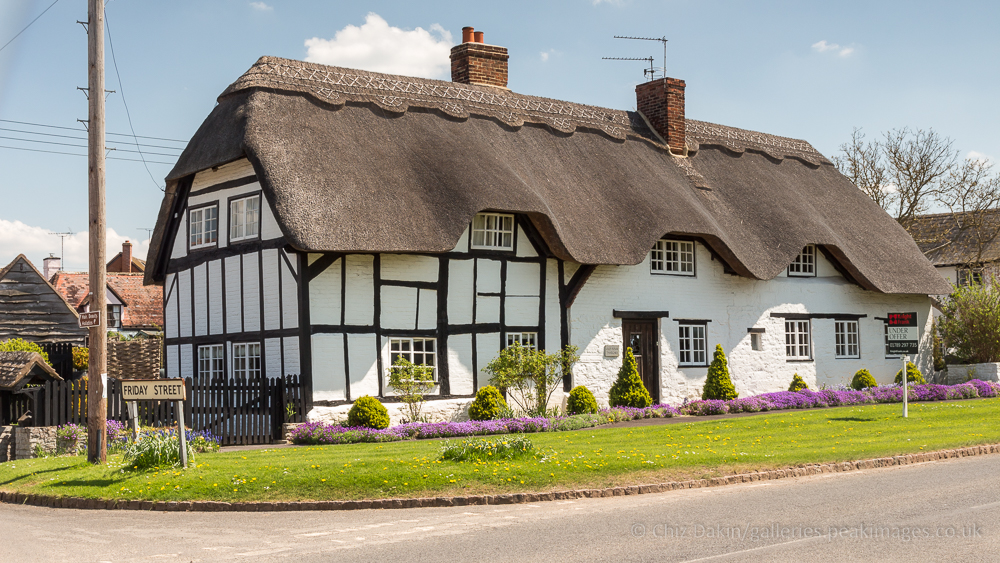
Header Image by Chiz Dakin : A typical beautiful cottage in the Cotswolds for sale – but how do those who have grown up in the area get on the housing ladder?
