Colin Speakman
The views expressed in this post are those of the contributor and do not necessarily represent the views of all members of the Gritstone co-operative.
Colin’s blog, in a slightly different form, was first published by the Craven Herald. © Colin Speakman
Around 25 years ago my wife and I decided to give up our car, partly because we couldn’t afford the repair bill to our elderly Citroen, but also because we thought, living where we did in Ilkley in West Yorkshire, we could enjoy a car-free lifestyle, using excellent local buses and trains and walking and cycling whenever we could – what is now the Government’s new green agenda.
But for the first time in those 25 years we are regretting that decision.
Since lockdown we have been told we can only use our now little used local train and bus services for “essential” work or business journeys and should avoid using buses if at all possible. So those of us who don’t own a car are now restricted to where they can walk from home. Our freedom to travel is currently what it would have been 180 years ago, before trains, trams and buses became common. Even in those times, there were stagecoaches if you could afford them, or for the less well-off, carriers’ carts to take you to Leeds or Bradford – where we have not been since early March.
For our car-owning neighbours things are very different. They can drive to the Lake District or the Coast, whenever they choose. They can play golf, play tennis, go climbing.
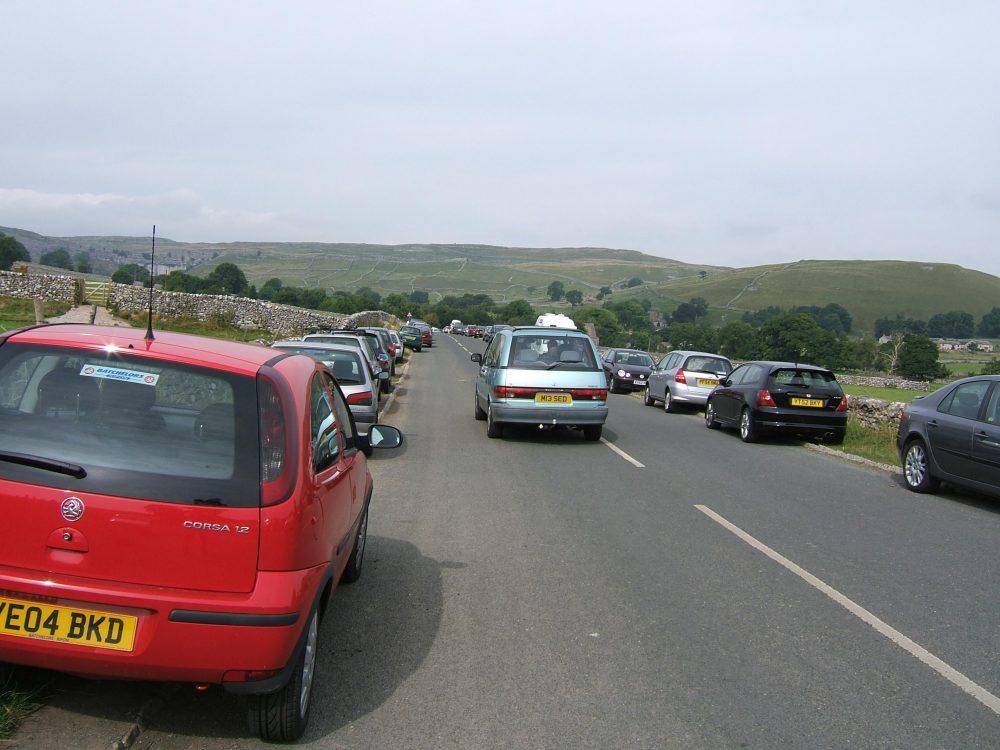
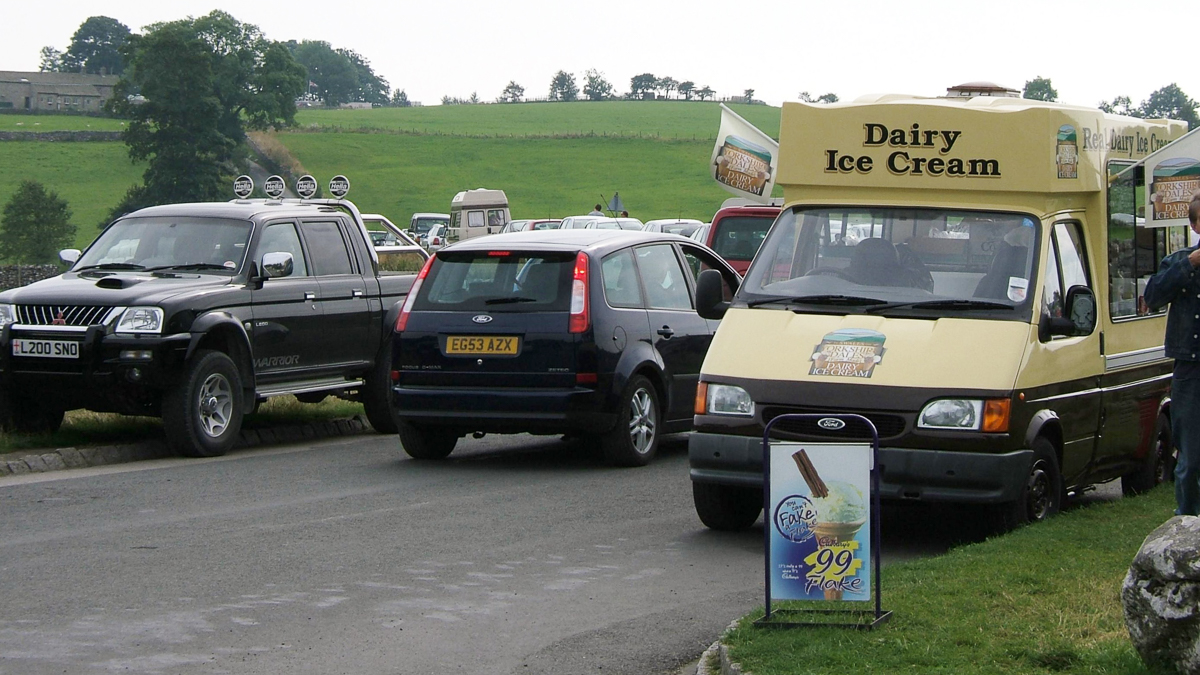
Whilst we have lost our much valued weekend DalesBus network, we have watched on television with some horror scenes at Burnsall, Malham, Richmond, Hawes where local communities have been overwhelmed with a tidal wave of visitors and their cars, even before car parks, and let’s mention it, toilets were open, let alone other facilities. Dales businesses, desperate for trade did not benefit in any way from the influx – the very opposite. A degraded environment with traffic-congested lanes, roadside verges turned to linear car parks, litter and noise, may deter many people from future visits when businesses re-open.
The problem was the Government’s timing could not have been more unfortunate. With people kept indoors during the warmest and driest spring in a century, they gave people the green light at a time when most leisure facilities– cafes, pubs, shopping centres, swimming pool, sports grounds, gyms, theme parks – were closed. People had nowhere to go. It was like taking the cork out of a champaign bottle. So they headed to the nearest bit of green space close to water.
“They can’t go to Benidorm so they’ve come to Burnsall” was one wry local comment.
It is hardly surprising that after the experience of the last few weeks, (but such scenes have occurred over several fine weekends last summer) there are now calls for car-free days in the Yorkshire Dales, when roads would be closed so people could walk, cycle or just enjoy clean air and peace as happened in the first few days of lockdown.
Whilst this seems a very attractive idea, certainly if you live in the Dales, it won’t help Dales businesses desperate for visitors to come and spend money in hopefully soon to be fully reopened cafés, shops and B&Bs. It would also be hugely difficult to enforce.
So, what is the solution?
Over the last twenty years Visitor Traffic Management has totally disappeared off most National Park Authorities agendas. With around 93% of visitors arriving by private car, public transport is too often perceived as marginal. The unspoken view is that if places get crowded, everyone goes home at 5pm so end of problem. Congestion was a seasonal issue to be put up with like bad weather.
It took the pandemic and a tsunami of uncontrolled visitor traffic to end that view.
In fact, County Council was Highway Authority, in partnership with National Park Authorities, have considerable powers, if not the resources (ultimately a political issue), to solve much of the problems experienced by Dales communities. Measures available include creating Parking Control Zones and Freeways to solve the issue of verge parking at key honeypots and in popular villages. These can be seasonal, policed and supported by traffic wardens paid for by parking fees and penalties. Speed limits can reduce antisocial behaviour on National Park roads, and other measures can include greater priority for cyclists and walkers, and park and ride bus services. Far from being anti-motorist, such measures improve things for drivers.

But none of these solutions are simple and will require consultation with a wide range of people and organisations.
What should underpin all such effort is the need to give local people and visitors true greener lifestyle choices. Giving travel mode choice is also a traffic management measure. As DalesBus proves, it is possible, for relatively modest cost, to have an excellent weekend bus network, linked to the local rail network, with buses meeting trains at key stations to give local people and visitors a real choice whether or not to own or use a car.
The pandemic crisis will change Britain forever. The tourism industry is in crisis and many businesses will simply not survive or need to radically adapt. Sustainable transport, in all its varied forms, needs to be at the heart of any recovery and we should start planning to make this happen even before the pandemic ends. A decent network of perhaps electric powered buses, backed by a range of walking and cycling options, would not only help economic recovery but form part of a new vision for greener, cleaner and more prosperous National Parks.
