Posted on

Pubs don’t spread Covid – people do

Andrew McCloy

The views expressed in this post are those of the contributor and do not necessarily represent the views of all members of the Gritstone co-operative.

On 20th March 2020, every pub in Britain was forced to close their doors. Barrels of beer were poured away, staff laid off and bookings cancelled. Fifteen weeks later they re-opened, rather warily, but now with table service, one-way systems and sanitising stations. Latterly a 10pm curfew was introduced; and as I write they’re beginning to be closed again.

Continue reading Pubs don’t spread Covid – people do
Posted on

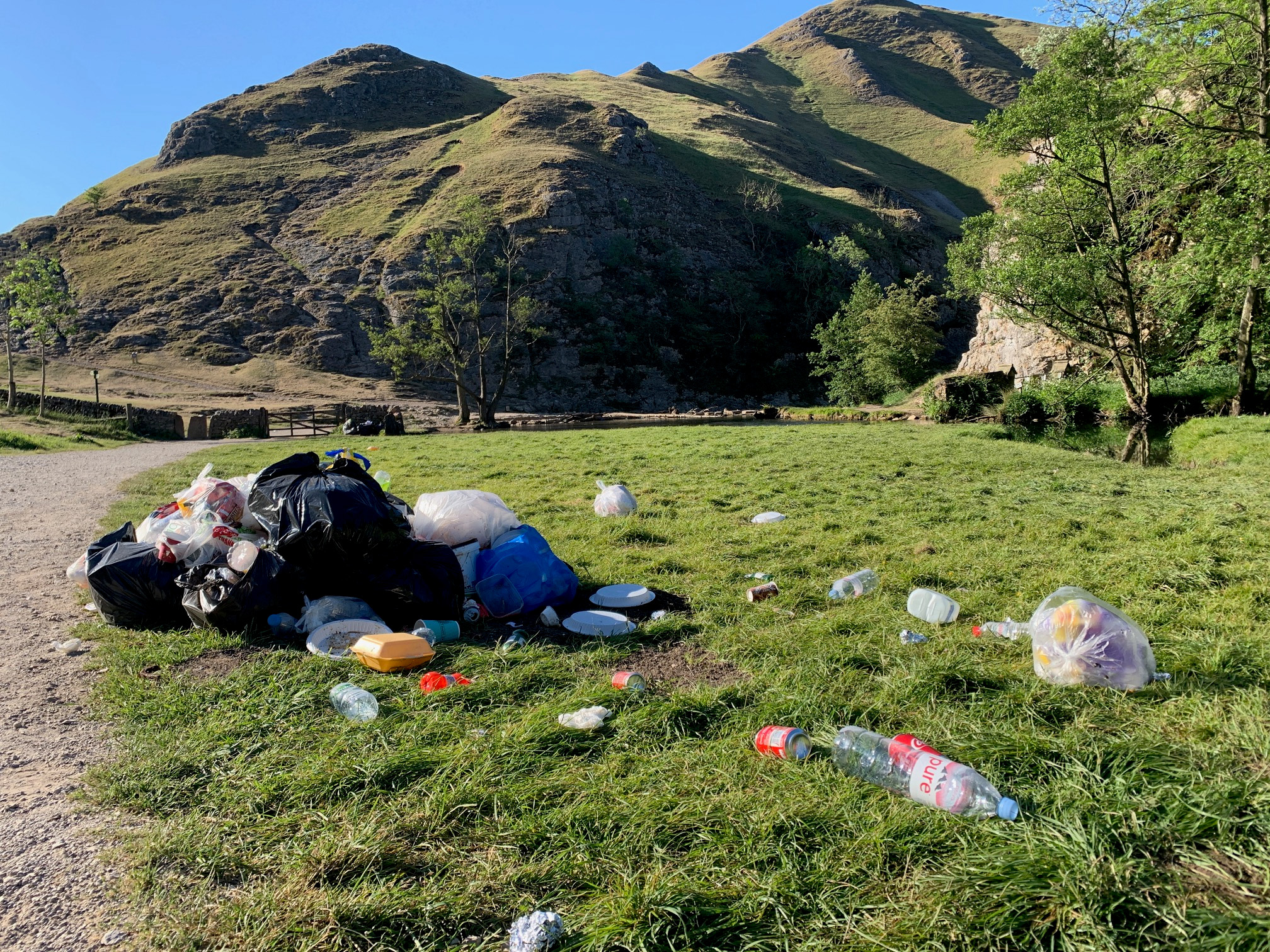
Why is our countryside full of rubbish?

Andrew McCloy

The views expressed in this post are those of the contributor and do not necessarily represent the views of all members of the Gritstone co-operative.

“An indescribable heap of filthy paper, empty fruit tins, broken bottles, cigarette and chocolate wrappers, matchboxes, cigarette ends and other litter.” This was how the Sheffield Daily Telegraph described what local schoolchildren, encouraged by the Sheffield & Peak District branch of what was then called the Council for the Preservation of Rural England (CPRE), had collected from Stanage in the Peak District one Bank Holiday. That particular litter pick took place in 1929*.

Continue reading Why is our countryside full of rubbish?
Posted on

We must see our national parks as an agent of positive change post-covid

The views expressed in this post are those of the contributor and do not necessarily represent the views of all members of the Gritstone co-operative.

Andrew McCloy

This blog was first posted by Green Alliance in April 2020 https://greenallianceblog.org.uk/

Over the frenetic weekend before the lockdown, the sight of thousands of visitors pouring into national parks like Snowdonia and the Lake District, against government guidelines, was perhaps an inevitable response from a panicky urban population. Setting aside what it said about their demographic and social background (largely white, affluent, middle class, car-owning) it was also testimony to people’s deep emotional attachment to landscape and a hunger for the outdoors. From the romantic poets to the Kinder Scout mass trespassers, personal relationships with landscape and places of great natural beauty – and crucially our right to access them – have been at the heart of how we interact with our national parks.

Continue reading We must see our national parks as an agent of positive change post-covid