Eileen Jones
The views expressed in this post are those of the contributor and do not necessarily represent the views of all members of the Gritstone co-operative.
It’s been an extreme year for running. Deprived of races on the fells and trails, ultra athletes have been smashing the records with jaw-dropping regularity. The Pennine Way fastest time was beaten twice in two weeks. There was a new women’s record for the Bob Graham round in the Lakes; the record for the Steve Parr round (all the Lakeland fells over 2500ft) went at last after 30 years; and jogging from Land’s End to John o’Groats seemed to be the new normal.
But behind the high-profile, long distance achievements, millions of people were mourning the absence of their 5k Saturday morning parkrun.
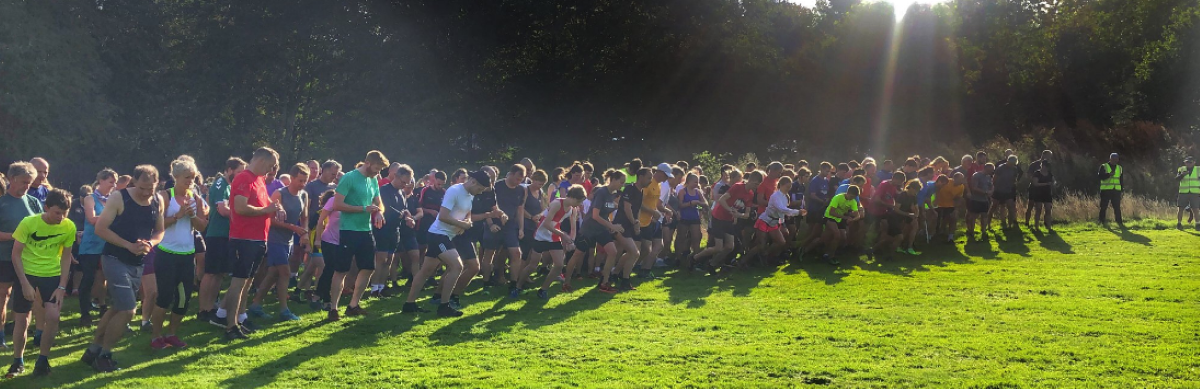
The global phenomenon of parkrun (all one word, always lower case) really has attracted millions; to be precise (thanks to a parkrun statsgeek called Charlie Pearce) 6,874,484, across 22 countries, at the time of writing. There are 730 events in the UK, including more than 20 in prisons and other custodial establishments. They’re in parks, on canal towpaths, around muddy fields, and on forest trails. Some attract handfuls of participants, like the remote and sandy Hafan Pwlhelli; others, like Bushy Park in London where it all started, can have more than 1300 taking part each week.
But when the pandemic lockdown hit in March, all parkruns stopped. The impact, say doctors, has been immense and worrying, because parkrun is much more than just going for a run.
The founder, Paul Sinton-Hewitt, already the recipient of the CBE for his achievement, was awarded the Albert Medal by the Royal Society of Arts for building a social movement for the common good. And parkrun is hailed as the greatest single public health initiative of our time, prescribed instead of medication by a growing number of GPs. Indeed, some 1500 GP practices are now officially parkrun practices, working alongside the volunteers at local events. “There are the well-documented physical impacts on weight loss, lowering blood pressure, lowering cholesterol, but we view any medical problem in terms of social and psychological effects, and parkrun ticks all these boxes,” says Dr Paul Davies, a core member of the volunteer team at Rothay parkrun in Ambleside. “It’s positive in managing depression as well as tackling social isolation, and rewarding with a sense of achievement.”
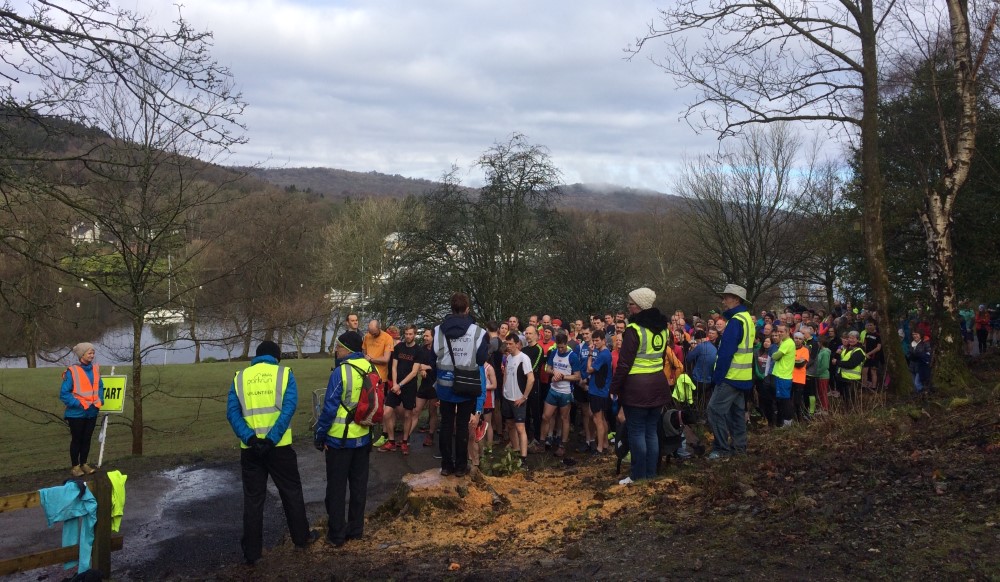
The parkrun HQ team had hoped to resume events in October following the publication of a rapid review of evidence for outdoor transmission of Covid-19, commissioned by parkrun and undertaken by the Centre for Sport, Physical Education and Activity Research (spear) at Canterbury Christ Church University. Led by Professor Mike Weed and Dr Abby Foad, the review looked at evidence of incidents of outdoor transmission of Covid-19, including the settings, environment and circumstances of such transmission, as well as comparing the rates of transmission to those occurring indoors.
But nationally the figures started rising again, and plans were postponed. Chrissie Wellington, head of health and wellbeing at parkrun HQ, warned this meant we were now “sleepwalking towards another health and wellbeing catastrophe”. And that impact, she said, was not being felt evenly across our society. “Some people are still active, they can afford nutritious food and maybe even have it delivered to their door. They can connect with friends and family. They have green space, the ability to work from home, and the capacity to care for their children. But this simply wasn’t, and still isn’t, the case for millions. Swathes of our population have experienced hardships like never before, with profound and long-lasting impacts.”
These are the very people for whom parkrun has been much more than merely running. Ai Lyn Tan, a rheumatologist who ‘prescribes’ parkrun to her patients, says there is mounting evidence about the benefits of exercise and physical activity in physical, mental and social health. “The beauty of parkrun is that almost anyone can reap the benefits; you can walk if you do not wish to run. If you prefer to volunteer at the event, or even simply be among parkrunners, there is still the likelihood of mental and social benefits through being able to contribute towards a good cause, and to immerse in the parkrun camaraderie on Saturday mornings.”
In 2018 parkrun commissioned what proved to be the largest single independent health and wellbeing survey in the UK relating to physical activity. It was conducted by Professor Steve Haake, with Dr Helen Quirk and Dr Alice Bullas, and found that a large proportion of all respondents reported that running or walking at parkrun had a positive impact upon health and wellbeing outcomes. It improved their fitness and sense of personal achievement, their physical health and happiness, and the time they spent outdoors.
Because of the restrictions this year, says Chrissie Wellington, we faced the prospect of living in a world where being apart became normal, and where the “risk associated with social interaction and participating in physical activity was deemed to outweigh the benefit”. But surely, anyone can just go out and run for the fun of it? Russ Jefferys, global head of communications at parkrun, says that for many people, exercising alone, or without regularity, structure and a safe environment simply isn’t possible. “parkrun provides a non-judgemental support network. It gives people purpose and a sense of belonging. It can provide motivation and community and is a lifeline for those who depend on it. Human beings have a need to be social, active and outdoors. So it’s great if you can ‘just go for a run’ on your own. But many can’t.”
Eileen Jones’ book how parkrun changed our lives will be published by Gritstone in the new year. Advance orders available now
Photos © Laura McGuigan, Blurred Edge Images
